Prevention of Malaria: Essential Tips to Stay Safe and Healthy

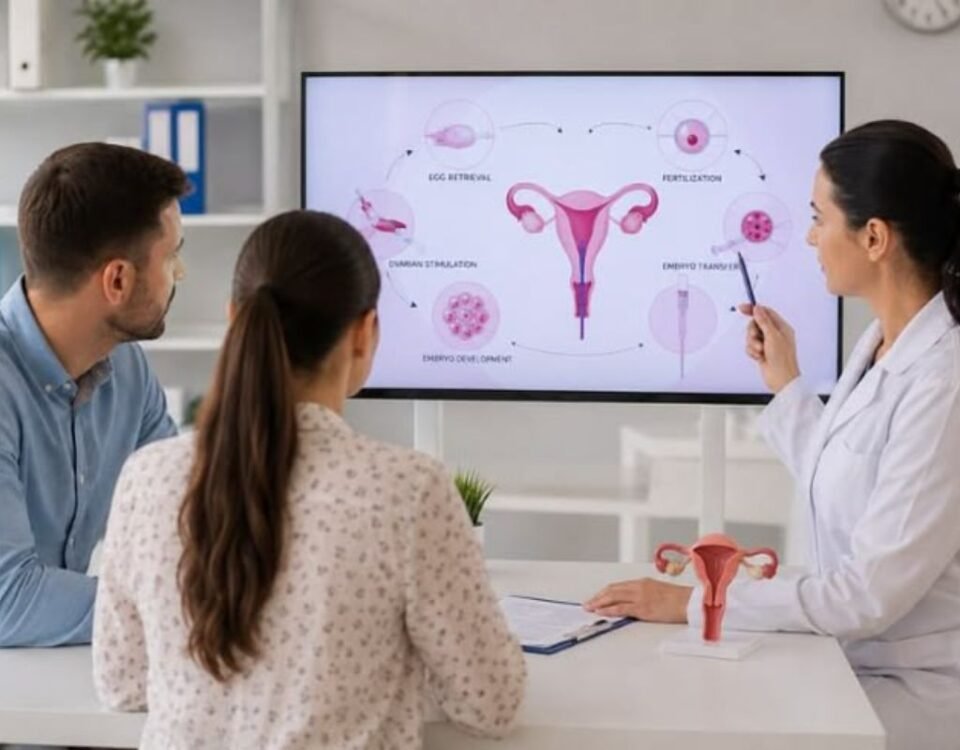
1st Trimester of Pregnancy: What Should You Know?
May 22, 2026
World No Tobacco Day: A Step Towards a Healthier Life By Dr. Varsha Sharma
May 28, 2026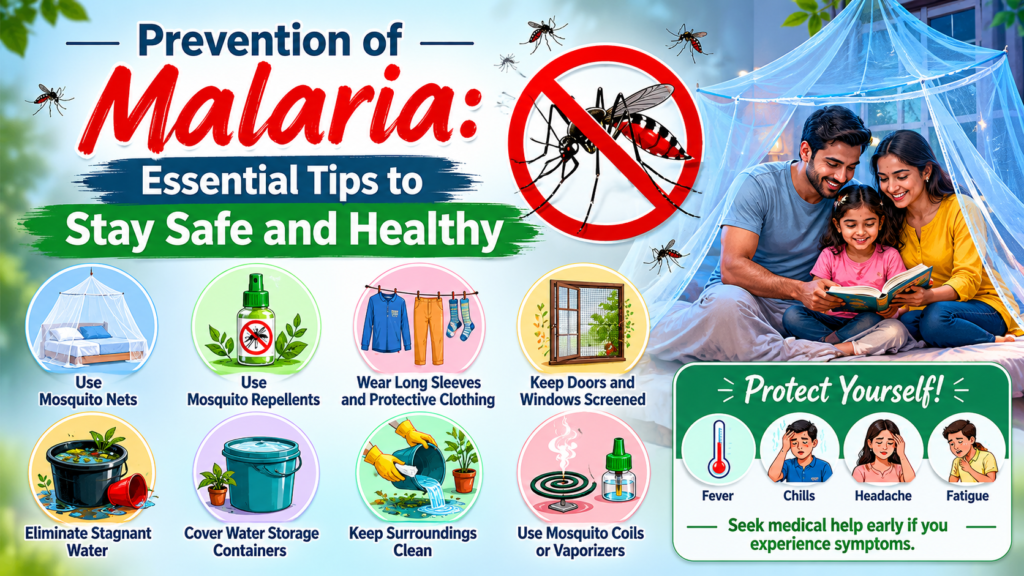
Malaria is one of the most common mosquito-borne diseases affecting millions of people every year. It is caused by parasites transmitted through the bite of infected female Anopheles mosquitoes. Although malaria can be life-threatening if left untreated, the good news is that it is largely preventable with the right precautions and awareness.
In tropical and subtropical regions, especially during the rainy season, the risk of malaria increases significantly. Understanding how malaria spreads and learning the best prevention methods can help protect individuals, families, and communities from this dangerous disease.
What is Malaria?
Malaria is an infectious disease caused by Plasmodium parasites. These parasites enter the human body through mosquito bites and infect the liver and red blood cells. Common symptoms include fever, chills, sweating, headache, muscle pain, fatigue, nausea, and vomiting.
If not treated promptly, malaria can lead to severe complications such as anemia, organ failure, breathing problems, and even death. Children, pregnant women, and people with weak immune systems are at higher risk of severe malaria.
How Does Malaria Spread?
Malaria spreads mainly through the bite of infected female Anopheles mosquitoes. These mosquitoes usually bite during the evening and nighttime hours. The disease does not spread through casual contact, coughing, or sneezing.
In rare cases, malaria can also spread through:
- Blood transfusions
- Organ transplants
- Sharing contaminated needles
- From mother to baby during pregnancy
Understanding the source of infection is the first step toward effective prevention.
Importance of Malaria Prevention
Preventing malaria is essential because:
- It reduces the number of infections and deaths.
- It lowers healthcare costs and hospital admissions.
- It protects vulnerable populations like children and pregnant women.
- It helps communities remain healthy and productive.
Simple preventive measures can significantly reduce the risk of malaria transmission.
Effective Ways to Prevent Malaria
1. Use Mosquito Nets While Sleeping
Sleeping under insecticide-treated mosquito nets is one of the most effective ways to prevent malaria. Mosquitoes that carry malaria are most active at night, so using bed nets creates a protective barrier.
Tips for proper use:
- Ensure the net has no holes or tears.
- Tuck the net securely under the mattress.
- Use long-lasting insecticide-treated nets for better protection.
This method is especially important for infants and pregnant women.
2. Apply Mosquito Repellents
Mosquito repellents help keep mosquitoes away from exposed skin. Use repellents containing safe and effective ingredients such as DEET, picaridin, or lemon eucalyptus oil.
Apply repellents:
- On exposed skin
- Before going outdoors in the evening
- During travel to malaria-prone areas
Always follow the instructions mentioned on the product label.
3. Wear Protective Clothing
Clothing can act as a physical barrier against mosquito bites. To reduce exposure:
- Wear full-sleeved shirts and long pants
- Choose light-colored clothing
- Cover arms and legs, especially during dusk and dawn
Protective clothing is especially useful when spending time outdoors.
4. Eliminate Mosquito Breeding Areas
Mosquitoes breed in stagnant water. Removing standing water around homes and communities can help control mosquito populations.
Common breeding places include:
- Water tanks
- Flower pots
- Coolers
- Open containers
- Drains and puddles
Preventive steps:
- Empty containers regularly
- Cover water storage tanks
- Keep surroundings clean and dry
- Ensure proper drainage systems
Community participation plays a major role in reducing mosquito breeding.
5. Install Window and Door Screens
Using mesh screens on windows and doors can prevent mosquitoes from entering homes. This simple measure provides added protection, especially during nighttime.
You can also use:
- Electric mosquito vaporizers
- Mosquito coils
- Indoor insecticide sprays
Combining multiple protective measures gives better results.
6. Take Preventive Medicines When Traveling
People traveling to malaria-endemic regions may require preventive anti-malarial medicines. These medications should be taken before, during, and after travel as advised by a healthcare professional.
Travelers should:
- Consult a doctor before traveling
- Carry mosquito repellents and nets
- Seek immediate medical attention if symptoms develop after travel
Timely precautions can prevent infection during international or domestic travel.
Recognizing the Symptoms of Malaria
Early detection and treatment are extremely important. Symptoms generally appear 10 to 15 days after being bitten by an infected mosquito.
Common symptoms include:
- High fever
- Chills and sweating
- Headache
- Muscle and joint pain
- Weakness and fatigue
- Nausea and vomiting
- Abdominal discomfort
Severe symptoms may include:
- Difficulty breathing
- Confusion
- Seizures
- Severe anemia
- Yellowing of the skin
Anyone experiencing these symptoms should seek immediate medical care.
Malaria Prevention for Children
Children are more vulnerable to malaria because their immune systems are still developing. Parents should take extra precautions to protect them.
Safety measures for children:
- Ensure they sleep under mosquito nets
- Use child-safe mosquito repellents
- Dress them in full-coverage clothing
- Keep their surroundings clean
Parents should also monitor children closely for fever and seek medical help quickly if symptoms appear. Consulting the Best Pediatric Doctor in Delhi can help ensure timely diagnosis and proper treatment for children showing signs of malaria.
Malaria Prevention During Pregnancy
Pregnant women face a higher risk of severe malaria, which can affect both the mother and baby. Malaria during pregnancy may lead to:
- Premature birth
- Low birth weight
- Miscarriage
- Maternal anemia
Pregnant women should:
- Sleep under treated mosquito nets
- Attend regular prenatal checkups
- Use safe mosquito repellents
- Follow medical advice regarding preventive medications
Early care and prevention are essential for a healthy pregnancy.
Community Awareness and Public Health Measures
Malaria prevention is not only an individual responsibility but also a community effort. Governments and health organizations play an important role through:
- Mosquito control programs
- Public awareness campaigns
- Distribution of mosquito nets
- Indoor residual spraying
- Early diagnosis and treatment services
Communities should actively participate in cleanliness drives and awareness activities to reduce the spread of malaria.
Healthy Lifestyle to Boost Immunity
While preventing mosquito bites is crucial, maintaining a healthy immune system also helps the body fight infections more effectively.
Healthy habits include:
- Eating a balanced diet
- Drinking clean water
- Getting adequate sleep
- Exercising regularly
- Maintaining hygiene
Regular medical checkups with the best general physician in new delhi can help monitor overall health and provide guidance on preventing seasonal diseases like malaria.
Myths About Malaria Prevention
Myth 1: Malaria spreads from person to person
Fact: Malaria spreads through infected mosquito bites, not through direct contact.
Myth 2: Only rural areas are affected
Fact: Malaria can occur in urban areas too, especially where stagnant water is present.
Myth 3: Mosquito bites only happen outdoors
Fact: Mosquitoes can bite indoors as well, especially at night.
Myth 4: Once treated, malaria never returns
Fact: Some types of malaria can relapse if not completely treated.
Understanding the facts helps people take proper preventive measures.
When to See a Doctor
Seek medical attention immediately if you or someone in your family experiences:
- Persistent fever
- Chills with sweating
- Weakness or dizziness
- Difficulty breathing
- Symptoms after visiting a malaria-prone region
Early diagnosis and treatment can prevent complications and save lives.
Conclusion
Malaria remains a serious health concern in many parts of the world, but it can be prevented through awareness and proper precautions. Using mosquito nets, maintaining cleanliness, avoiding stagnant water, and protecting against mosquito bites are some of the most effective ways to stay safe.
Children, pregnant women, travelers, and elderly individuals should take extra care during mosquito seasons. Early recognition of symptoms and timely medical consultation are equally important in preventing severe complications.
By adopting healthy habits and participating in community prevention efforts, we can reduce the spread of malaria and build healthier communities for the future.