Karwa Chauth Fasting Tips for a Healthy and Comfortable Fast

Preconception Care: How to Prepare Your Body for Pregnancy
October 8, 2026
What Are the Signs of Ovulation? 7 Symptoms to Watch For
October 19, 2026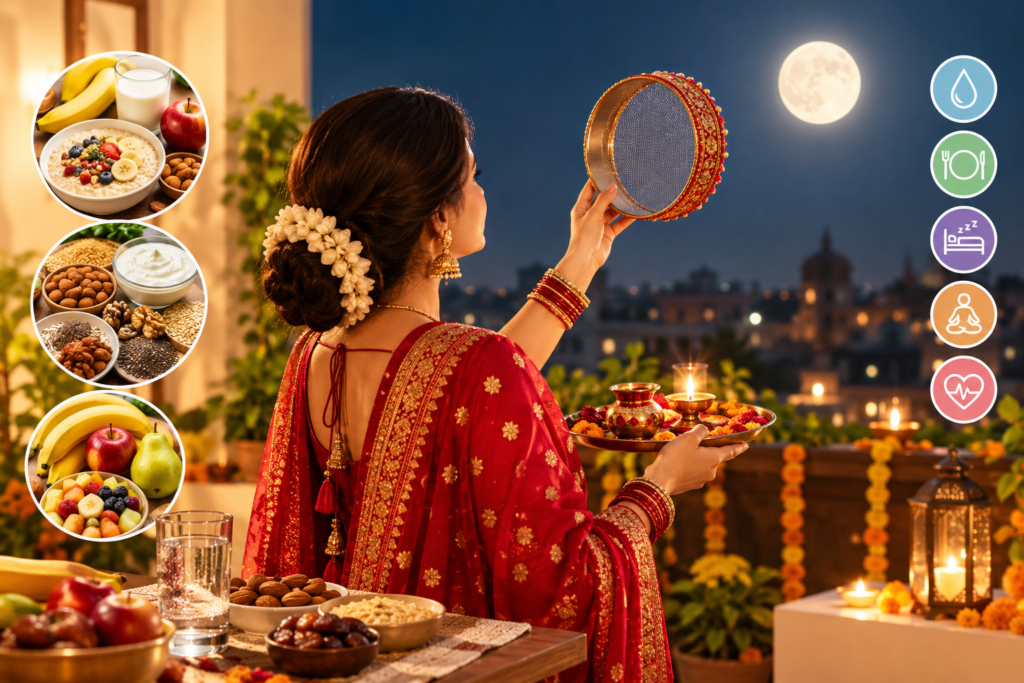
Karwa Chauth is a special festival celebrated by many married Hindu women who observe a fast and pray for the well-being and long life of their husbands. The day is filled with devotion, traditional rituals, dressing up, and family celebrations. However, fasting from sunrise until moonrise can sometimes feel challenging, especially when it involves avoiding food and water throughout the day. Following practical Karwa Chauth Fasting Tips can help you prepare for the occasion and make the experience more comfortable.
A balanced approach to pre-fast meals, hydration, rest, and post-fast eating can make a difference in how you feel during the day. Women with specific health concerns should consider seeking professional medical advice before fasting. Consulting the Best Gynecologist and Obstetrician in Janakpuri Delhi can help women understand their individual health needs and take appropriate precautions before observing a long fast. Understanding your body’s needs is important for celebrating the festival while prioritizing your health and well-being.
Understanding the Importance of Karwa Chauth Fasting
Karwa Chauth holds cultural and emotional significance for many families. Women traditionally begin their day with sargi, a pre-dawn meal prepared by their mother-in-law or family members. The fast continues until the moon is sighted, after which traditional rituals are performed and the fast is broken.
Although fasting is an important religious practice for many participants, it is also essential to understand how your body responds to long hours without food or water. Energy levels, hydration, sleep, and existing health conditions can influence how you feel throughout the day.
Preparing in advance can help reduce discomfort and allow you to participate in the celebrations more comfortably. Rather than making sudden changes to your eating habits, focus on balanced meals, sufficient rest, and listening to your body’s signals.
Essential Karwa Chauth Fasting Rules to Follow
Following traditional rituals is a personal choice, and customs can differ between families and regions. Along with religious practices, keeping your health in mind is important when preparing for the fast.
Here are some practical points to consider:
- Prepare the night before: Eat a balanced dinner containing vegetables, whole grains, and protein-rich foods.
- Get sufficient sleep: A good night’s rest can help reduce tiredness and make the following day more manageable.
- Eat a balanced sargi: Include foods that provide sustained energy rather than relying entirely on sweets.
- Avoid excessive caffeine: Too much tea or coffee may contribute to discomfort, particularly if you are sensitive to caffeine.
- Plan your activities: Avoid scheduling strenuous exercise or physically demanding tasks during fasting hours.
- Recognize warning signs: Severe dizziness, confusion, fainting, or significant weakness should not be ignored.
These Karwa Chauth Fasting Rules combine awareness of traditional practices with sensible preparation. If you have diabetes, kidney disease, a history of fainting, or another condition affected by fasting, consult your healthcare professional before participating. Pregnant or breastfeeding women should also seek individualized medical advice.
Healthy Fasting Tips for Karwa Chauth
A full-day fast can be physically demanding because the body goes without its usual supply of food and fluids. Simple preparation can help you manage the day more comfortably, although it cannot eliminate the risks associated with dehydration or prolonged fasting.
1. Prioritize Hydration Before the Fast
Drink water regularly during the evening before Karwa Chauth and during the permitted pre-dawn period. Avoid trying to drink an excessive amount all at once, as this does not guarantee better hydration throughout the day.
If your customary fast prohibits water, understand that dehydration remains a potential risk. People who are medically advised to maintain regular fluid intake should follow their healthcare professional’s guidance rather than ignoring their medical needs.
2. Choose Balanced and Filling Meals
Meals containing whole grains, protein, healthy fats, fruits, and vegetables can provide a range of nutrients. Foods such as oats, whole-wheat roti, curd, nuts, paneer, and fruit may be useful options, depending on your dietary preferences.
Avoid eating a very large quantity of fried or sugary foods in the hope of preventing hunger. Such foods may cause digestive discomfort and may not provide the balanced nutrition you need.
3. Take Enough Rest
Try to maintain a regular sleep schedule before the festival. During fasting hours, take breaks when needed and avoid unnecessary physical exertion, particularly in hot weather.
These Healthy Fasting Tips for Karwa Chauth can support preparation, but they do not make a strict dry fast safe for everyone. If you feel seriously unwell, prioritize your health and seek medical help when necessary.
Karwa Chauth Diet Plan for Better Energy
Planning your meals around the permitted eating times can help you get a better balance of nutrients. Your exact food choices will depend on family traditions, dietary restrictions, and personal preferences.
Before Sunrise: Prepare a Balanced Sargi
Sargi is traditionally eaten before the fast begins. Choose a combination of foods that provide carbohydrates, protein, fibre, and healthy fats.
Possible options include:
- Whole-wheat roti or oats
- Paneer or curd, if suitable for your diet
- A small serving of almonds or walnuts
- Fresh fruit such as bananas, apples, or pears
- Water and other permitted fluids
Avoid relying only on sweets or sugary drinks, as they may not provide the nutritional balance you need.
During the Day: Rest and Monitor Your Well-Being
If you are observing a traditional fast without food or water, follow your personal religious customs while remaining attentive to your physical condition. Avoid strenuous activities and prolonged exposure to heat. Do not ignore symptoms such as faintness, confusion, or severe weakness.
After Moonrise: Break the Fast Gently
Once you complete your rituals, begin with water if permitted and eat slowly. A balanced meal with vegetables, grains, and protein can help restore energy.
Avoid consuming a large, heavy meal immediately after fasting. Eating gradually may help reduce bloating and indigestion.
A thoughtful Karwa Chauth Diet Plan focuses on balanced nutrition before and after fasting instead of trying to compensate with excessive food.
Foods to Eat Before Karwa Chauth Fast
Choosing appropriate foods before sunrise is one of the most useful ways to prepare for the day. Ideally, your meal should include a combination of complex carbohydrates, protein, fibre, and healthy fats.
Here are some options to consider.
1. Fruits
Bananas, apples, pears, and other fruits provide carbohydrates, fibre, and important micronutrients. Select fruits that suit your digestion and dietary needs.
2. Nuts and Seeds
Almonds, walnuts, and seeds contain healthy fats and other nutrients. A moderate serving can complement a balanced meal.
3. Whole Grains
Oats, whole-wheat roti, and other whole-grain foods provide carbohydrates and fibre. They can be paired with protein-rich foods for a more balanced meal.
4. Protein-Rich Foods
Curd, paneer, milk, eggs, or suitable plant-based alternatives can provide protein, depending on your dietary preferences and traditions.
5. Water and Permitted Fluids
Drink fluids regularly before fasting begins if your fasting practice allows them. Avoid alcohol and excessive caffeine, which may contribute to discomfort or affect sleep.
The best Foods to Eat Before Karwa Chauth Fast are not necessarily expensive or complicated. A familiar, balanced meal that suits your body is often a sensible choice.
Tips to Stay Comfortable Throughout the Day
Long fasting hours can be challenging, especially when celebrations involve dressing up, preparing food, visiting relatives, and performing rituals. A few practical steps may help you manage your day.
- Keep your schedule manageable: Complete demanding household tasks beforehand whenever possible.
- Stay in a comfortable environment: Limit exposure to excessive heat, particularly if you are not drinking water.
- Avoid strenuous exercise: Save intense workouts for another day.
- Take breaks: Sit down and rest when you feel tired.
- Listen to your body: Persistent dizziness, fainting, confusion, or severe weakness requires immediate attention.
People taking medicines that require food or water should discuss fasting with their healthcare professional in advance. Never change or skip prescribed medication without medical advice.
Conclusion
Karwa Chauth is a meaningful occasion that brings together faith, family traditions, and celebration. Preparing in advance, eating balanced meals during permitted hours, getting enough rest, and planning a gentle meal after the fast can help you approach the day more comfortably.
By following these Karwa Chauth Fasting Tips, you can make thoughtful choices while respecting your traditions and personal health needs. Women seeking information about intimate wellness and related treatment options can consult a qualified specialist in Cosmetic Gynecology in Delhi NCR to understand suitable procedures and personalized care. Remember that fasting affects everyone differently, and health concerns should always be taken seriously. A safe and comfortable celebration is just as important as observing the rituals that make the festival special.