POST LSCS TIPS: A COMPLETE GUIDE FOR NEW MOTHERS

Cosmetic Gynecology: A Complete Guide to Modern Women’s Care
April 22, 2026
Summer Pregnancy Tips: Stay Healthy, Cool & Comfortable
April 29, 2026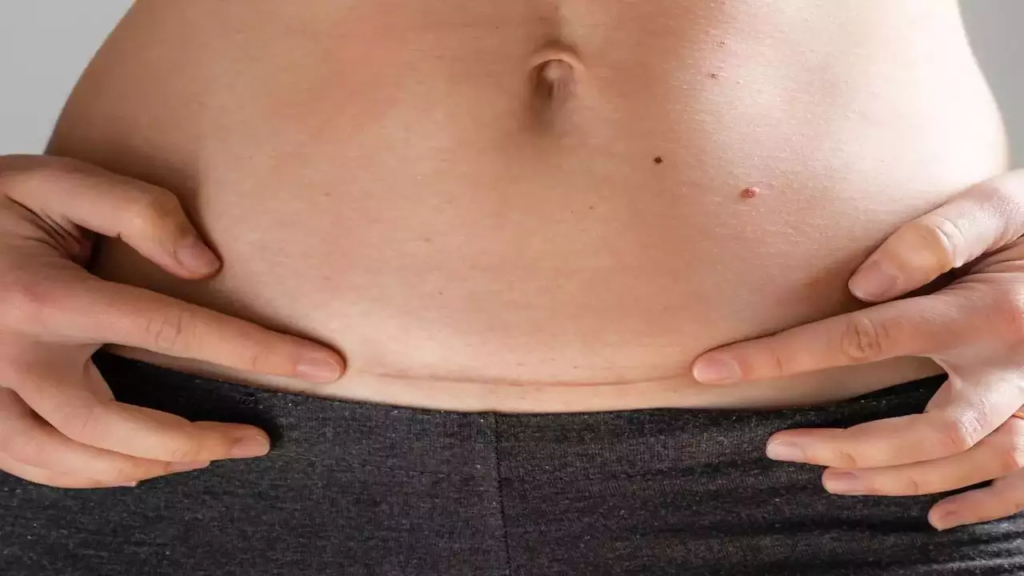
Bringing a baby into the world is a life-changing experience, and for many mothers, delivery happens through LSCS (Lower Segment Cesarean Section), commonly known as a C-section. While this surgical procedure ensures the safety of both mother and baby, it also requires proper post-operative care for a smooth recovery. Understanding the right post LSCS tips can help new mothers heal faster, reduce complications, and regain strength.
In this comprehensive guide, we will cover everything you need to know about post LSCS recovery, from wound care to diet, physical activity, and emotional well-being.
Understanding LSCS Recovery
A C-section is a major abdominal surgery where the baby is delivered through an incision in the abdomen and uterus. Recovery typically takes 6–8 weeks, but it varies from person to person. During this time, your body needs rest, proper nutrition, and careful monitoring.
Following the right post LSCS tips is crucial to avoid infections, manage pain, and promote faster healing.
1. Take Adequate Rest
One of the most important post LSCS tips is to give your body enough rest. Your body has undergone significant stress, and healing requires energy.
- Avoid heavy lifting for at least 6 weeks
- Sleep whenever your baby sleeps
- Ask family members for help with household chores
Overexertion can delay healing and increase the risk of complications, so prioritize rest above everything else.
2. Proper Wound Care
The surgical incision needs special attention to prevent infection and ensure proper healing.
- Keep the incision area clean and dry
- Follow your doctor’s instructions for dressing changes
- Avoid applying creams or oils unless prescribed
- Watch for signs of infection such as redness, swelling, or discharge
If you notice unusual symptoms, consult your doctor immediately.
3. Manage Pain Effectively
Pain after LSCS is normal, especially in the first few days. Proper pain management helps you move comfortably and care for your baby.
- Take prescribed medications on time
- Use a pillow to support your abdomen while coughing or sneezing
- Practice gentle movements to avoid stiffness
Never ignore severe or persistent pain, as it may indicate complications.
4. Maintain a Healthy Diet
Nutrition plays a key role in post LSCS recovery. A balanced diet helps repair tissues and boosts energy levels.
Include:
- Protein-rich foods (dal, eggs, chicken)
- Iron-rich foods (spinach, jaggery)
- Fiber-rich foods (fruits, vegetables)
- Plenty of fluids (water, coconut water, soups)
Avoid:
- Junk food and processed items
- Excess caffeine
- Foods that cause constipation
A healthy diet also supports breastfeeding and improves overall well-being.
5. Stay Hydrated
Hydration is often overlooked but is one of the simplest yet most effective post LSCS tips.
- Drink at least 8–10 glasses of water daily
- Include herbal teas and fresh juices
- Proper hydration prevents constipation and aids healing
6. Gentle Movement and Walking
While rest is important, complete inactivity can slow recovery. Light movement helps improve blood circulation and reduces the risk of blood clots.
- Start walking slowly within 24–48 hours after surgery (as advised by your doctor)
- Gradually increase your activity level
- Avoid strenuous exercises or lifting heavy objects
Walking also helps improve digestion and reduces bloating.
7. Avoid Strain on the Abdomen
Your abdominal muscles need time to heal after surgery.
- Avoid bending frequently
- Do not lift anything heavier than your baby
- Use proper posture while sitting or breastfeeding
Supporting your abdomen during movement can reduce discomfort.
8. Breastfeeding Position Matters
Breastfeeding after LSCS can be challenging due to the incision pain. Choosing the right position can make a big difference.
- Try the side-lying position
- Use the football hold to avoid pressure on the abdomen
- Use pillows for support
Comfortable positioning ensures both mother and baby have a better feeding experience.
9. Prevent Constipation
Constipation is common after a C-section due to medications and reduced activity.
- Eat fiber-rich foods
- Drink plenty of water
- Stay active with light walking
- Take stool softeners if prescribed
Avoid straining during bowel movements, as it can put pressure on the incision.
10. Monitor Emotional Health
Postpartum emotions can be overwhelming, especially after surgery. Hormonal changes, physical discomfort, and new responsibilities can affect mental health.
- Talk to your partner or family members
- Take time for yourself whenever possible
- Seek professional help if you feel anxious or depressed
Emotional well-being is just as important as physical recovery.
11. Follow Doctor’s Advice
Regular follow-ups with your doctor are essential to monitor healing progress.
If you are consulting the Best Gynecologist Doctor in Janakpuri Delhi, they will guide you with personalized recovery tips and ensure there are no complications.
Never skip your postnatal checkups, even if you feel fine.
12. Watch for Warning Signs
While most recoveries are smooth, it’s important to be aware of warning signs:
- High fever
- Severe abdominal pain
- Foul-smelling discharge
- Heavy bleeding
- Swelling or redness around the incision
If you notice any of these symptoms, seek medical attention immediately.
13. Gradual Return to Normal Activities
Do not rush into your normal routine. Your body needs time to heal completely.
- Resume light activities after 2–3 weeks
- Avoid driving until your doctor approves
- Start exercise only after medical clearance
Patience is key to a healthy recovery.
14. Wear Comfortable Clothing
Tight clothes can irritate the incision area and cause discomfort.
- Choose loose, breathable fabrics
- Avoid tight waistbands
- Opt for high-waisted underwear for support
Comfortable clothing helps prevent irritation and promotes healing.
15. Build a Support System
Recovering from LSCS while caring for a newborn can be challenging.
- Ask for help from family members
- Hire help if needed
- Share responsibilities with your partner
Having a strong support system makes recovery easier and less stressful.
Conclusion
Recovering from a C-section requires patience, care, and the right approach. By following these essential post LSCS tips, new mothers can ensure a smoother healing process and focus on bonding with their newborn.