5 Essential Fluids in Pregnancy for a Healthy Mother and Baby

World No Tobacco Day: A Step Towards a Healthier Life By Dr. Varsha Sharma
May 28, 2026
Phototherapy Benefits for Kids: A Complete Parent’s Guide
June 11, 2026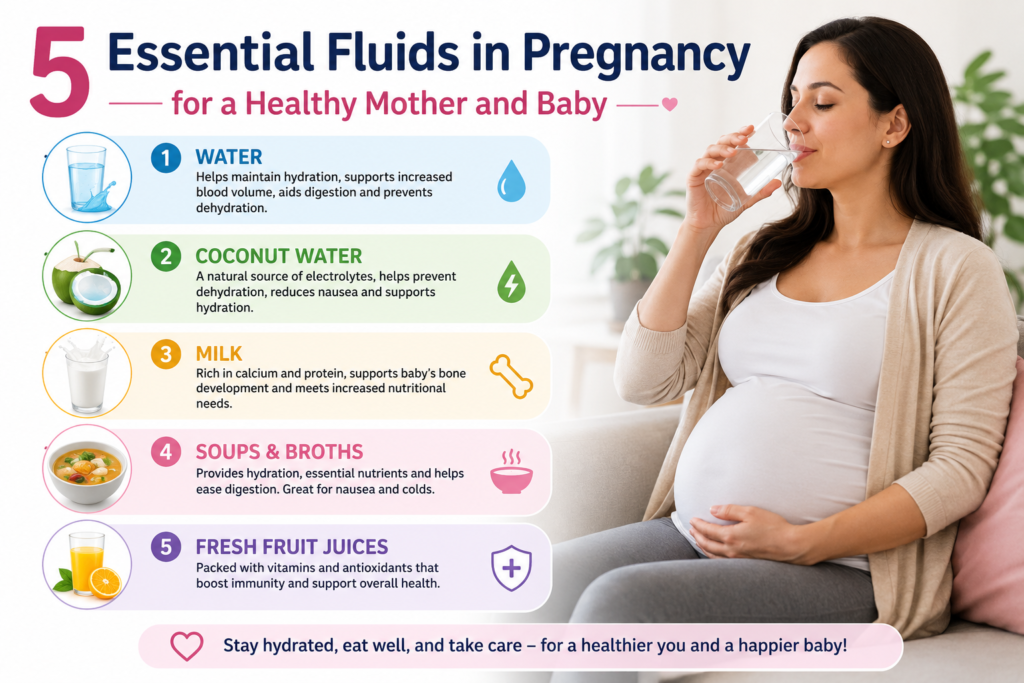
Pregnancy is a beautiful journey that brings significant physical and emotional changes to a woman’s body. During these nine months, proper nutrition and hydration become more important than ever. While most people focus on eating healthy foods, many overlook the importance of drinking the right fluids. Staying hydrated supports the development of the baby, maintains amniotic fluid levels, improves blood circulation, and helps prevent common pregnancy discomforts.
The body requires additional fluids during pregnancy because blood volume increases, the placenta needs nourishment, and the growing baby depends on adequate hydration. Choosing healthy beverages can contribute to a smoother pregnancy and better overall well-being.
Here are the 5 essential fluids in pregnancy that every expecting mother should include in her daily routine.
1. Water – The Most Important Fluid During Pregnancy
Water is undoubtedly the most essential fluid for pregnant women. It plays a crucial role in transporting nutrients to the baby, maintaining amniotic fluid, supporting digestion, and regulating body temperature.
Benefits of Drinking Water During Pregnancy
- Prevents dehydration
- Helps maintain healthy amniotic fluid levels
- Reduces swelling and water retention
- Supports healthy blood circulation
- Prevents constipation
- Helps reduce headaches and fatigue
How Much Water Should Pregnant Women Drink?
Most healthcare experts recommend drinking approximately 8–12 glasses (2–3 liters) of water daily. However, requirements may vary depending on weather conditions, physical activity, and individual health needs.
Tips to Increase Water Intake
- Carry a reusable water bottle.
- Add lemon, mint, or cucumber for flavor.
- Set reminders throughout the day.
- Drink water before and after meals.
Water should always be the primary source of hydration during pregnancy.
2. Milk – A Rich Source of Calcium and Protein
Milk is another essential fluid that provides vital nutrients needed for the healthy growth and development of the baby. It contains calcium, protein, vitamin D, phosphorus, and other nutrients that contribute to strong bones and teeth.
Benefits of Milk During Pregnancy
- Supports fetal bone development
- Helps build strong muscles
- Provides high-quality protein
- Supports maternal bone health
- Helps meet increased nutritional requirements
Types of Milk Suitable During Pregnancy
- Cow’s milk
- Fortified plant-based milk (if approved by a healthcare provider)
- Low-fat milk
- Full-cream milk, depending on dietary needs
Daily Recommendation
One to two glasses of milk daily can help meet calcium requirements. Women who are lactose intolerant should consult their healthcare provider regarding alternative calcium-rich beverages.
Milk is a nutritious addition to a balanced pregnancy diet and contributes significantly to fetal growth.
3. Fresh Fruit Juices – Natural Energy and Vitamins
Fresh fruit juices provide essential vitamins, minerals, and antioxidants that support maternal and fetal health. They are an excellent way to boost nutrient intake, especially when appetite fluctuates during pregnancy.
Benefits of Fresh Fruit Juices
- Provide natural vitamins and minerals
- Improve immunity
- Support healthy digestion
- Help combat fatigue
- Keep the body hydrated
Best Fruit Juices During Pregnancy
Orange Juice
Rich in vitamin C, orange juice supports immunity and enhances iron absorption.
Pomegranate Juice
Contains antioxidants that may support healthy blood circulation and overall wellness.
Apple Juice
Provides hydration and important nutrients while being gentle on the stomach.
Watermelon Juice
Helps prevent dehydration and provides refreshing hydration during hot weather.
Important Precautions
- Choose freshly prepared juices whenever possible.
- Avoid unpasteurized juices.
- Limit added sugar.
- Consume in moderation to avoid excessive calorie intake.
Fresh fruit juices can be a healthy supplement to water but should not replace regular water consumption.
4. Coconut Water – Nature’s Electrolyte Drink
Coconut water is often considered one of the best natural drinks during pregnancy. It contains electrolytes such as potassium, magnesium, and sodium that help maintain fluid balance in the body.
Benefits of Coconut Water During Pregnancy
- Supports hydration
- Helps replenish electrolytes
- May reduce fatigue
- Can help manage mild morning sickness
- Supports healthy digestion
- Naturally low in calories
Why Pregnant Women Love Coconut Water
Many expecting mothers find coconut water refreshing, especially during the first trimester when nausea and vomiting are common. Its natural sweetness makes it a healthier alternative to sugary soft drinks.
Best Time to Drink Coconut Water
- Mid-morning
- After light exercise
- During hot weather
- When experiencing mild dehydration
Although coconut water is beneficial, it should be consumed as part of a balanced diet rather than as a replacement for water.
5. Soups and Broths – Nutrition and Hydration Combined
Soups and broths offer a wonderful combination of hydration and nutrition. They are especially beneficial for pregnant women who experience reduced appetite, nausea, or digestive discomfort.
Benefits of Soups During Pregnancy
- Provide fluids and nourishment simultaneously
- Easy to digest
- Help maintain hydration
- Supply vitamins and minerals
- Support immune health
- Offer comfort during illness
Healthy Soup Options
Vegetable Soup
Rich in vitamins, minerals, and fiber.
Lentil Soup
Provides plant-based protein and iron.
Chicken Broth
Offers protein and hydration while being easy on the stomach.
Tomato Soup
Contains antioxidants and essential nutrients.
Tips for Healthy Soup Consumption
- Use fresh ingredients.
- Limit excessive salt.
- Avoid processed soup mixes.
- Include a variety of vegetables.
Soups are particularly helpful during colder months and can be an excellent addition to a pregnancy meal plan.
Fluids to Limit During Pregnancy
While many beverages support a healthy pregnancy, some should be limited or avoided.
Sugary Soft Drinks
Excess sugar can contribute to unnecessary weight gain and blood sugar fluctuations.
Energy Drinks
These often contain high levels of caffeine and stimulants that may not be suitable during pregnancy.
Excessive Caffeinated Beverages
Too much caffeine may increase certain pregnancy risks. Moderation is important.
Unpasteurized Drinks
These may contain harmful bacteria and should be avoided.
Alcohol
Alcohol consumption during pregnancy can affect fetal development and should be completely avoided.
Signs of Dehydration During Pregnancy
Pregnant women should recognize the early signs of dehydration and seek medical advice if symptoms become severe.
Common signs include:
- Dark yellow urine
- Dry mouth
- Dizziness
- Headaches
- Fatigue
- Increased thirst
- Reduced urination
Maintaining proper fluid intake can help prevent these symptoms and support overall health throughout pregnancy.
Tips for Staying Hydrated During Pregnancy
Start Your Day with Water
Drink a glass of water as soon as you wake up.
Keep Fluids Accessible
Always carry a water bottle when traveling.
Include Water-Rich Foods
Fruits such as watermelon, oranges, strawberries, and cucumbers contribute to daily hydration.
Drink Small Amounts Frequently
Women experiencing nausea may find it easier to sip fluids throughout the day rather than drinking large quantities at once.
Track Your Fluid Intake
Using a hydration app or marked water bottle can help ensure adequate intake.
Conclusion
Proper hydration is one of the simplest yet most important aspects of a healthy pregnancy. Water, milk, fresh fruit juices, coconut water, and nutritious soups provide essential hydration and nutrients that support both the mother and the growing baby. These fluids help maintain healthy blood circulation, support fetal development, reduce common pregnancy discomforts, and promote overall well-being.
Every pregnancy is unique, and nutritional needs may vary from person to person. Therefore, regular prenatal checkups and personalized guidance from healthcare professionals are essential. Consulting the Best Gynecologist and Obstetrician in Janakpuri Delhi can help expecting mothers receive expert advice on hydration, nutrition, and overall pregnancy care, ensuring a healthier and more comfortable journey toward motherhood.