World No Tobacco Day: A Step Towards a Healthier Life By Dr. Varsha Sharma

Prevention of Malaria: Essential Tips to Stay Safe and Healthy
May 25, 2026
5 Essential Fluids in Pregnancy for a Healthy Mother and Baby
June 1, 2026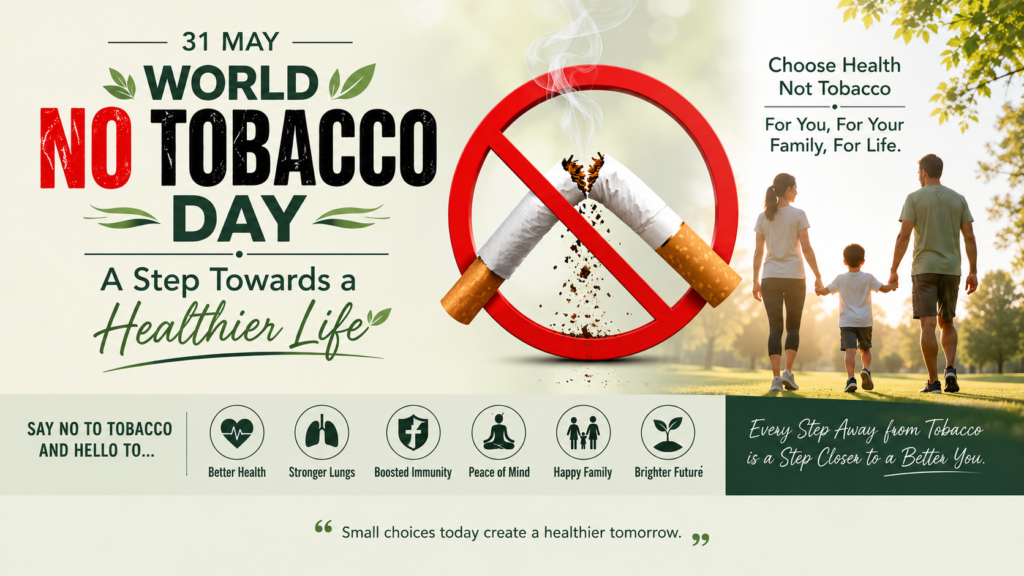
Every year, World No Tobacco Day is observed on 31st May to spread awareness about the harmful effects of tobacco consumption and encourage people to quit smoking and chewing tobacco. Initiated by the World Health Organization, this global campaign aims to protect present and future generations from the deadly consequences of tobacco use.
Tobacco addiction has become one of the leading causes of preventable diseases and deaths worldwide. Millions of people suffer from serious health complications due to smoking cigarettes, using hookah, chewing gutka, or consuming other tobacco products. Despite widespread awareness, tobacco consumption continues to rise among youth and adults alike.
According to health experts, tobacco does not only affect the smoker but also harms the people around them through passive smoking. On this World No Tobacco Day, Dr. Varsha Sharma urges everyone to understand the long-term dangers of tobacco and take strong steps toward a healthier and smoke-free future.
Why Is World No Tobacco Day Important?
World No Tobacco Day serves as a reminder that tobacco is not just a habit but a serious health threat. The campaign highlights the importance of quitting tobacco and encourages governments, healthcare professionals, and communities to work together in reducing tobacco consumption.
Tobacco contains harmful chemicals such as nicotine, tar, carbon monoxide, and arsenic, which severely damage the body over time. Regular tobacco use can lead to:
- Lung cancer
- Heart disease
- Stroke
- Chronic respiratory diseases
- Oral cancer
- High blood pressure
- Reduced immunity
- Fertility problems
The harmful effects of tobacco are not limited to physical health. It also impacts mental well-being, financial stability, and quality of life.
Harmful Effects of Smoking on the Body
1. Damage to the Lungs
Smoking directly affects the lungs by reducing their ability to function properly. Continuous smoking damages lung tissues and increases the risk of chronic bronchitis, emphysema, and lung cancer. Smokers often experience breathing difficulties, coughing, and reduced stamina.
2. Increased Risk of Heart Diseases
Tobacco use narrows blood vessels and increases blood pressure, putting additional stress on the heart. Smokers are more likely to suffer from heart attacks, strokes, and cardiovascular diseases compared to non-smokers.
3. Weakens the Immune System
People who smoke frequently are more vulnerable to infections and illnesses because tobacco weakens the body’s natural defense system. Recovery from diseases and surgeries also becomes slower in smokers.
4. Oral Health Problems
Chewing tobacco and smoking can lead to gum disease, tooth decay, bad breath, and oral cancer. White patches inside the mouth, ulcers, and difficulty swallowing are common warning signs.
5. Harm During Pregnancy
Tobacco use during pregnancy can create severe complications for both the mother and baby. Smoking may increase the risk of miscarriage, premature birth, low birth weight, and developmental issues in infants. Expecting mothers should avoid all forms of tobacco to ensure a healthy pregnancy.
Women looking for expert maternal healthcare can consult the Dr. Varsha Sharma, recognized as the Best Gynecologist Doctor in Janakpuri Delhi for comprehensive women’s health and pregnancy care.
Passive Smoking: A Hidden Danger
Passive smoking, also known as second-hand smoke, affects non-smokers who inhale smoke from nearby smokers. Children, pregnant women, and elderly people are especially vulnerable to passive smoking.
Exposure to second-hand smoke may cause:
- Asthma attacks
- Respiratory infections
- Heart problems
- Reduced lung function
- Increased cancer risk
Creating smoke-free homes, workplaces, and public areas can help protect non-smokers from these dangers.
Why Do People Struggle to Quit Tobacco?
Nicotine present in tobacco products is highly addictive. Many people continue smoking despite knowing its harmful effects because nicotine creates temporary feelings of relaxation and pleasure.
Common reasons people struggle to quit include:
- Stress and anxiety
- Peer pressure
- Social habits
- Nicotine addiction
- Lack of support
However, with proper guidance, determination, and medical support, quitting tobacco is possible at any stage of life.
Effective Tips to Quit Tobacco
1. Set a Quit Date
Choose a specific date to stop smoking or chewing tobacco completely. Preparing mentally before quitting can increase success rates.
2. Avoid Triggers
Stay away from situations, places, or people that encourage tobacco use. Replacing smoking habits with healthy alternatives can be helpful.
3. Stay Physically Active
Exercise helps reduce cravings and improves mood naturally. Walking, yoga, meditation, and fitness activities can support recovery.
4. Seek Professional Help
Doctors and counselors can provide guidance, medications, and therapies to manage nicotine withdrawal symptoms effectively.
5. Eat Healthy Foods
A balanced diet rich in fruits, vegetables, and water helps detoxify the body and improve overall health after quitting tobacco.
6. Build a Support System
Support from family and friends can motivate individuals during their journey to quit smoking.
Benefits of Quitting Tobacco
The body starts healing soon after quitting tobacco. Some major health benefits include:
- Improved breathing
- Better heart health
- Reduced cancer risk
- Increased energy levels
- Healthier skin and teeth
- Improved fertility
- Better quality of life
Within a few weeks of quitting smoking, lung function begins to improve, and blood circulation becomes healthier. Long-term tobacco cessation can significantly increase life expectancy.
Role of Society in Tobacco Control
Reducing tobacco consumption requires collective efforts from individuals, schools, healthcare providers, and governments. Awareness campaigns, educational programs, and strict tobacco control laws can help discourage smoking among young people.
Parents and teachers should educate children about the dangers of smoking from an early age. Public places should enforce smoke-free policies to protect people from passive smoking.
Healthcare professionals like Dr. Varsha Sharma continue to spread awareness about healthy living and the importance of avoiding tobacco for long-term wellness.
A Message from Dr. Varsha Sharma
World No Tobacco Day is not just about quitting smoking for one day—it is about making a lifelong commitment to better health. Every cigarette avoided is a step toward a healthier body, stronger lungs, and a brighter future.
Dr. Varsha Sharma encourages people to prioritize their health and inspire others to live tobacco-free lives. Quitting tobacco may seem difficult initially, but the long-term rewards are truly life-changing.
Conclusion
World No Tobacco Day reminds us that good health begins with healthy choices. Tobacco damages nearly every organ of the body and affects millions of families globally. By raising awareness, supporting smokers in quitting, and promoting smoke-free environments, society can move toward a healthier future.
Whether you are a smoker trying to quit or someone encouraging loved ones to stop smoking, every effort matters. This World No Tobacco Day, take a pledge to say no to tobacco and yes to life, health, and happiness.