First Trimester of Pregnancy: Important Tests and Precautions

Pregnancy After 35: What Women Should Know
August 11, 2026
Pelvic Pain in Women: Common Causes and Treatment Options
August 20, 2026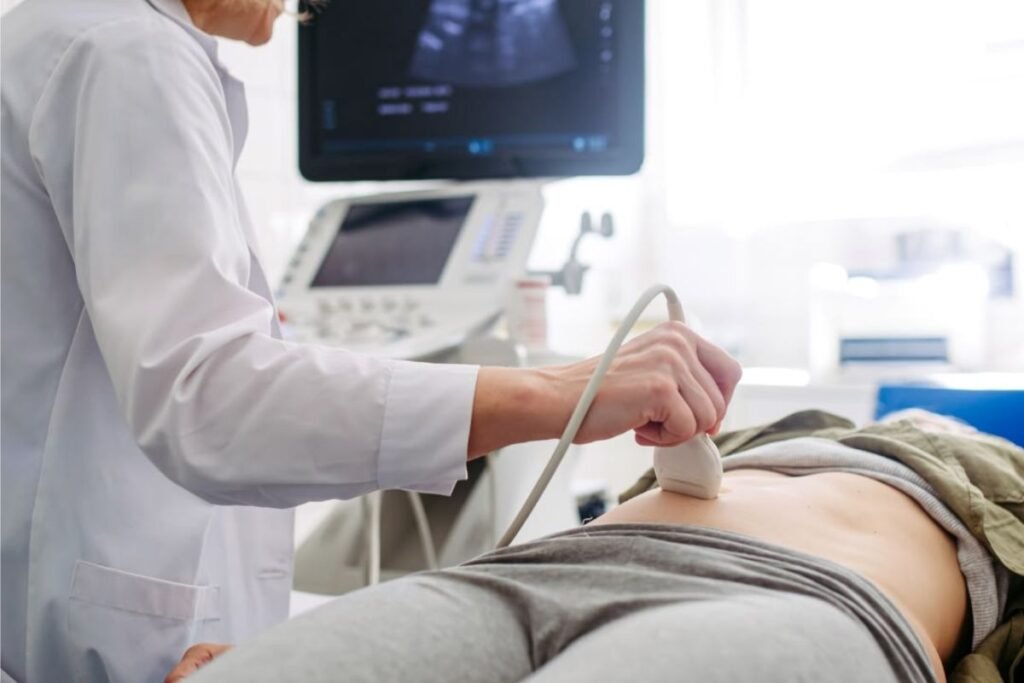
The first trimester is an important stage of pregnancy because major changes begin taking place in the mother’s body and the baby starts developing rapidly. During these early weeks, regular medical care, a balanced diet, appropriate physical activity, and timely screening can help support a healthy pregnancy. Consulting the Best Gynecologist and Obstetrician in Janakpuri Delhi can also help expectant mothers understand first trimester pregnancy tests and know which precautions to follow, helping them feel more confident and prepared.
Every pregnancy is different, so tests and appointments may vary depending on your age, medical history, symptoms, previous pregnancies, and your healthcare provider’s recommendations. It is important to discuss your individual needs with an obstetrician rather than relying only on general information.
Why Is the First Trimester Important?
The first trimester generally covers the first 12–13 weeks of pregnancy. During this period, the fertilized egg develops into an embryo and then begins forming important organs and body systems.
Hormonal changes can cause symptoms such as:
- Morning sickness or nausea
- Tiredness and sleepiness
- Breast tenderness
- Frequent urination
- Food cravings or dislikes
- Mild abdominal discomfort
- Mood changes
Some symptoms are normal, but severe pain, heavy bleeding, fainting, difficulty breathing, or other concerning symptoms require prompt medical evaluation.
Important Tests During the First Trimester
Prenatal testing helps healthcare professionals monitor the mother’s health and assess the baby’s development. The exact tests recommended may differ from person to person.
1. Pregnancy Confirmation and Initial Assessment
After a positive home pregnancy test, your doctor may confirm the pregnancy through a blood test or ultrasound, depending on the situation. The first appointment usually includes a review of your medical history, previous pregnancies, medications, allergies, and general health.
Your doctor may also calculate your estimated due date based on your last menstrual period and, when appropriate, ultrasound findings.
2. Blood Tests
Routine blood work is commonly performed during early prenatal care. Depending on local guidelines and individual circumstances, these tests may assess:
- Hemoglobin and blood cell counts
- Blood group and Rh status
- Blood glucose
- Immunity to certain infections
- Hepatitis B and other infections
- HIV and syphilis screening
- Other tests based on medical history
These investigations can identify conditions that may require monitoring or treatment during pregnancy.
3. Urine Examination
A urine test may be recommended during early prenatal visits. It can help detect urinary infections, protein, glucose, or other findings that may need further evaluation.
Urinary tract infections can sometimes occur without obvious symptoms during pregnancy, which is why prenatal urine testing can be useful.
4. Early Pregnancy Ultrasound
An ultrasound may be recommended during the first trimester to confirm the location and development of the pregnancy, assess gestational age, and check the fetal heartbeat when appropriate.
An ultrasound can also provide useful information when there is pain, bleeding, uncertain dates, or another medical concern.
5. Genetic and Chromosomal Screening
Depending on individual circumstances and available options, parents may be offered screening for certain chromosomal conditions. First-trimester screening may involve blood tests and ultrasound measurements.
Non-invasive prenatal testing, often called NIPT or cell-free DNA screening, may also be discussed. It is important to understand that screening tests estimate the likelihood of certain conditions; they do not provide a definitive diagnosis in every situation.
Your healthcare provider can explain the benefits, limitations, timing, and possible follow-up tests.
First Trimester Prenatal Care
Good first trimester prenatal care involves more than completing medical tests. Regular appointments allow your healthcare provider to monitor your health, discuss symptoms, review medications, provide nutritional advice, and answer questions about pregnancy.
Keep a record of your appointments and test results. Inform your doctor about any prescription medicines, over-the-counter medicines, vitamins, or herbal products you are taking. Do not stop prescribed medication without medical advice.
Prenatal vitamins containing folic acid are commonly recommended before and during early pregnancy because folate supports the development of the baby’s neural tube. Your doctor can recommend the appropriate supplement and dosage for your circumstances.
Precautions During the First Trimester
Following basic safety measures can help reduce avoidable risks during early pregnancy. However, precautions should be individualized according to your health and pregnancy.
Eat a Balanced Diet
Try to include vegetables, fruits, whole grains, pulses, dairy or suitable alternatives, and protein-rich foods in your meals. Adequate hydration is also important.
If nausea makes eating difficult, smaller and more frequent meals may be easier to tolerate.
Avoid foods that your healthcare provider advises against during pregnancy, particularly foods that carry a higher risk of foodborne infection.
Avoid Alcohol and Tobacco
Alcohol can harm fetal development, and smoking exposes both the mother and developing baby to harmful chemicals. Avoid smoking, tobacco products, and recreational drugs during pregnancy.
Secondhand smoke should also be avoided whenever possible.
Be Careful With Medicines
Not every medicine is safe during pregnancy. Before taking a new medicine, painkiller, supplement, or herbal preparation, check with your doctor or pharmacist.
This is especially important during the first trimester because early fetal development is taking place.
Maintain Safe Physical Activity
For many people with uncomplicated pregnancies, moderate physical activity can be beneficial. Walking, swimming, and pregnancy-appropriate exercises may be suitable.
However, people with pregnancy complications or specific medical conditions may require different recommendations. Ask your healthcare provider before starting or changing an exercise routine.
Early Pregnancy Precautions for Daily Life
Along with medical care, simple early pregnancy precautions can make daily life safer and more comfortable.
Get enough rest and listen to your body when you feel tired. Avoid activities that carry a significant risk of falling or abdominal injury unless your healthcare provider has specifically cleared them.
Practice good hand hygiene and food safety. Wash fruits and vegetables thoroughly and ensure that meat, eggs, and other foods are properly prepared.
If you have pets, maintain good hygiene and follow appropriate precautions when handling animal waste.
Travel is generally possible for many pregnant women, but individual circumstances matter. If you are planning a long journey, discuss it with your healthcare provider, especially if you have complications or concerning symptoms.
What Should You Avoid During the First Trimester?
Some common things to avoid or discuss with your doctor include:
- Alcohol and tobacco
- Recreational drugs
- Unapproved medicines or supplements
- Excessive caffeine
- Raw or undercooked foods that may carry infection risks
- Unpasteurized foods or drinks where applicable
- Activities with a high risk of falls or injury
- Exposure to harmful chemicals without appropriate protection
- Skipping recommended prenatal appointments
You do not need to become afraid of normal daily activities. The goal is to make sensible choices and seek professional advice when uncertain.
When Should You Contact a Doctor?
Most early pregnancy symptoms are manageable, but certain warning signs should not be ignored. Seek medical advice promptly if you experience:
- Heavy vaginal bleeding
- Severe or persistent abdominal or pelvic pain
- Severe vomiting that prevents you from keeping fluids down
- Fainting or significant dizziness
- Fever or signs of infection
- Severe headache or vision changes
- Fluid leakage
- Difficulty breathing or chest pain
Emergency symptoms should be evaluated immediately rather than waiting for your next routine appointment.
Keeping Track of Your Pregnancy
Consider maintaining a simple pregnancy record containing your appointment dates, ultrasound reports, blood test results, medications, questions, and symptoms. This information can be useful during future consultations.
It is also helpful to prepare questions before each appointment. You might ask about nutrition, exercise, supplements, vaccinations, travel, work activities, or any symptoms you are experiencing.
Conclusion
The first trimester is a period of significant physical and developmental changes. Timely medical appointments, appropriate screening, and consultation regarding Cosmetic Gynecology in Delhi NCR when relevant can help address women’s health concerns alongside healthy nutrition, adequate rest, and sensible lifestyle choices that support maternal and fetal well-being.
Understanding first trimester pregnancy precautions can make it easier to identify healthy habits and recognize situations that require professional attention. Remember that prenatal care should always be personalized. Your obstetrician or healthcare provider can determine which pregnancy tests in first trimester are appropriate based on your individual health, pregnancy history, and risk factors.
With regular prenatal care and informed decisions, expectant mothers can approach the early months of pregnancy with greater confidence and preparedness.