Pelvic Pain in Women: Common Causes and Treatment Options

First Trimester of Pregnancy: Important Tests and Precautions
August 19, 2026
When Should Parents Be Concerned About Fever in Children?
August 26, 2026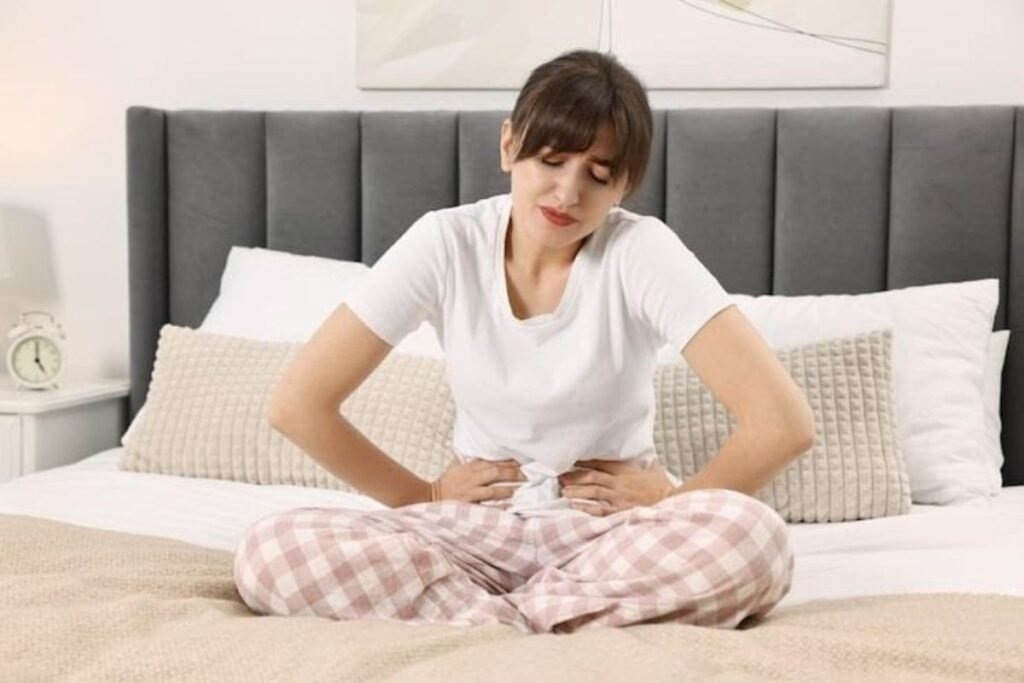
Pelvic pain in women is a common concern that can range from mild, temporary discomfort to persistent pain that affects daily activities, sleep, relationships, and overall quality of life. The pain may be felt in the lower abdomen, pelvis, lower back, or around the reproductive organs. While some causes are minor and resolve on their own, pelvic pain can sometimes indicate an underlying gynecological, urinary, digestive, or musculoskeletal condition. Consulting the Best Gynecologist and Obstetrician in Janakpuri Delhi can help identify the underlying cause and guide appropriate treatment.
Understanding the possible causes and available treatment options can help women recognize when medical evaluation is necessary and take appropriate steps toward relief.
What Is Pelvic Pain?
Pelvic pain refers to discomfort in the area below the abdomen and between the hip bones. It may occur suddenly or develop gradually. Some women experience pelvic pain for only a few hours or days, while others may have symptoms that continue for weeks or months.
The pain can feel different depending on its cause. It may be:
- Sharp, stabbing, or cramping
- Dull and aching
- Burning or pressure-like
- Constant or intermittent
- Worse during periods, sexual activity, urination, or bowel movements
Pelvic pain may also occur with other symptoms such as abnormal vaginal bleeding, unusual vaginal discharge, fever, nausea, painful urination, constipation, or changes in menstrual cycles.
Common Causes of Pelvic Pain in Women
There are many potential causes of pelvic pain. Identifying the underlying condition is important because treatment depends on the source of the discomfort.
1. Menstrual Cramps
Menstrual cramps are one of the most common reasons women experience pelvic discomfort. During menstruation, the uterus contracts to help shed its lining. These contractions can cause cramping in the lower abdomen and pelvis.
Mild menstrual cramps can often be managed with rest, gentle physical activity, heat therapy, and appropriate over-the-counter pain medication. However, severe or worsening menstrual pain should be evaluated by a healthcare professional because it may be associated with conditions such as endometriosis or fibroids.
2. Urinary Tract Infections
A urinary tract infection can cause pain or pressure in the lower pelvis. Women with a UTI may also experience burning while urinating, frequent urination, an urgent need to urinate, or cloudy and strong-smelling urine.
Treatment usually involves medical evaluation and, when a bacterial infection is confirmed, appropriate antibiotics prescribed by a healthcare professional. Drinking adequate fluids may support urinary health, but fluids should not replace medical treatment when an infection requires antibiotics.
3. Ovarian Cysts
Ovarian cysts are fluid-filled sacs that can develop on or inside an ovary. Many ovarian cysts are harmless and disappear without treatment. However, larger cysts or cysts that rupture or twist the ovary can cause significant pelvic pain.
Treatment depends on the cyst’s size, appearance, symptoms, and whether it changes over time. Some cysts are monitored through follow-up examinations or imaging, while others may require medication or surgery.
4. Endometriosis
Endometriosis occurs when tissue similar to the lining of the uterus grows outside the uterus. It can cause chronic pelvic pain, particularly around menstruation. Some women may also experience painful periods, pain during sexual intercourse, painful bowel movements, or difficulty becoming pregnant.
Treatment may include pain management, hormonal medications, or surgery depending on the severity of symptoms and individual reproductive goals. Early evaluation can help women manage symptoms and reduce their impact on everyday life.
5. Uterine Fibroids
Fibroids are non-cancerous growths that develop in or around the uterus. Some women have no symptoms, while others experience heavy menstrual bleeding, pelvic pressure, lower back pain, frequent urination, or menstrual cramps.
Treatment is based on symptoms, fibroid size and location, age, and pregnancy plans. Options can include observation, medication, minimally invasive procedures, or surgery.
6. Pelvic Inflammatory Disease
Pelvic inflammatory disease (PID) is an infection involving the female reproductive organs. It can develop when certain sexually transmitted infections or other infections spread upward from the vagina or cervix.
PID may cause lower abdominal or pelvic pain, abnormal vaginal discharge, fever, painful intercourse, or irregular bleeding. Prompt medical treatment is important because untreated PID can lead to complications affecting fertility and reproductive health.
7. Pregnancy-Related Causes
Pelvic discomfort can occur during pregnancy as the body changes and the uterus grows. However, pelvic or abdominal pain during pregnancy should not automatically be considered normal.
Severe pain, vaginal bleeding, dizziness, fainting, fever, or other concerning symptoms require prompt medical attention. Conditions such as ectopic pregnancy can be serious and need urgent evaluation.
8. Digestive Problems
Not all pelvic pain originates from the reproductive system. Digestive conditions such as constipation, irritable bowel syndrome, gas, inflammatory bowel conditions, or other gastrointestinal problems can cause discomfort in the lower abdomen and pelvis.
Identifying associated symptoms, such as bloating, changes in bowel habits, diarrhea, or constipation, can help healthcare professionals determine whether the digestive system may be involved.
9. Pelvic Floor Muscle Problems
The muscles that support the bladder, bowel, and reproductive organs form the pelvic floor. Muscle tension, weakness, injury, or dysfunction can sometimes contribute to pelvic pain.
Pelvic floor problems may also cause discomfort during sexual activity, difficulty with urination or bowel movements, or a sensation of pressure. Depending on the cause, pelvic floor physical therapy and other targeted treatments may provide relief.
How Is the Cause of Pelvic Pain Diagnosed?
Because pelvic pain can have many causes, healthcare professionals may use several methods to determine what is responsible.
A medical evaluation may include:
- Reviewing symptoms and menstrual history
- Performing a physical and pelvic examination
- Urine testing
- Pregnancy testing when appropriate
- Testing for infections
- Blood tests
- Ultrasound or other imaging
- Additional investigations when necessary
Women should provide information about when the pain began, its location, severity, duration, menstrual pattern, and any symptoms that occur alongside it.
Treatment Options for Pelvic Pain
Treatment depends on the underlying cause rather than simply the location of the pain.
Medication
Depending on the diagnosis, healthcare professionals may recommend pain relievers, hormonal medications, antibiotics for certain infections, or other prescription medicines. Medication should be selected based on the individual’s condition and medical history.
Heat Therapy
A warm heating pad or hot-water bottle applied to the lower abdomen may help relax muscles and reduce mild menstrual cramps. Care should be taken to avoid excessive heat or prolonged direct contact with the skin.
Hormonal Treatment
Hormonal contraception or other hormonal therapies may help manage pain associated with conditions such as endometriosis, painful periods, or certain types of ovarian cysts. A healthcare professional can recommend an appropriate option based on symptoms and reproductive plans.
Physical Therapy
Pelvic floor physical therapy may be useful when muscle tension, weakness, or movement-related problems contribute to chronic pelvic pain. A trained therapist can develop exercises and techniques tailored to the individual’s needs.
Surgery
Some conditions may require surgical treatment. Surgery can sometimes be considered for certain ovarian cysts, fibroids, endometriosis, or other structural problems when symptoms are severe or conservative treatments are not effective.
When Should You See a Doctor?
Pelvic pain should be medically evaluated when it is persistent, recurrent, severe, or interfering with normal activities. Women should seek prompt medical attention for pelvic pain accompanied by:
- Severe or rapidly worsening pain
- Heavy or unusual vaginal bleeding
- Fever or chills
- Fainting or severe dizziness
- Persistent vomiting
- Pain during pregnancy
- Sudden severe pain with nausea or vomiting
- Unusual vaginal discharge
- Painful urination with worsening symptoms
Sudden, intense pelvic pain can sometimes indicate a condition requiring urgent treatment, so it should not be ignored.
Can Pelvic Pain Be Prevented?
Not every cause of pelvic pain can be prevented, but certain healthy habits may reduce the risk of some conditions. Maintaining good personal hygiene, practicing safer sex, attending recommended gynecological checkups, staying physically active, eating a balanced diet, and addressing urinary or reproductive symptoms early can support overall health.
Keeping track of menstrual cycles and recurring symptoms can also help identify patterns and provide useful information during a medical consultation.
Final Thoughts
Pelvic pain in women can have many different causes, from menstrual cramps and urinary infections to ovarian cysts, endometriosis, fibroids, pelvic inflammatory disease, and pelvic floor disorders. Because symptoms can overlap, self-diagnosis may not always identify the actual cause. Consulting a qualified Cosmetic Gynecologist in Delhi NCR can help women receive an appropriate evaluation and understand whether the pain is related to a gynecological condition.
Women experiencing persistent, severe, recurrent, or unexplained pelvic pain should consult a qualified healthcare professional. Early diagnosis can help determine the appropriate treatment and prevent certain conditions from becoming more complicated. With the right evaluation and individualized care, many causes of pelvic pain can be effectively managed.