Understanding the Common Causes of Fever in Babies and Children

When Should Parents Be Concerned About Fever in Children?
August 26, 2026
Postpartum Care: What Every Mother Should Keep in Mind After Delivery
September 4, 2026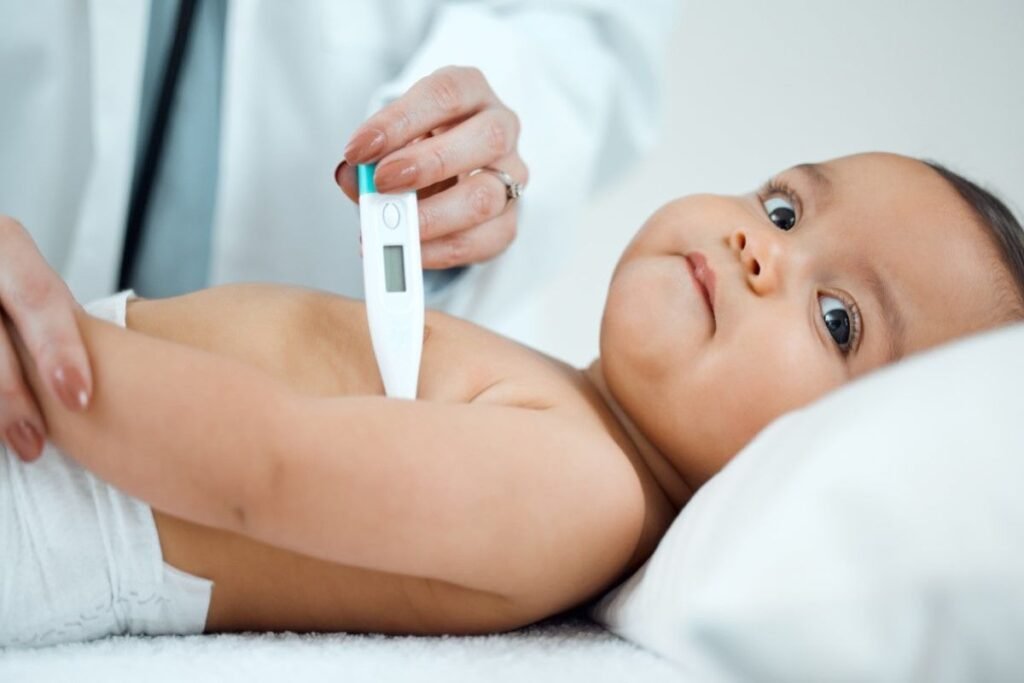
Fever is one of the most common reasons parents seek medical advice for their little ones. It can feel alarming to see a baby’s temperature rise, but fever itself is not an illness — it’s the body’s natural response to fighting infection. Understanding the causes of fever in babies helps parents respond calmly and know when professional care is needed. For reliable guidance on your child’s health and fever-related concerns, consulting a Best Pediatric Doctor in Delhi can provide appropriate medical advice. In most cases, fever is a sign that the immune system is doing exactly what it should: working to eliminate a virus or bacteria from the body.
A normal body temperature for infants and children typically ranges between 97°F and 100.3°F (36.1°C to 37.8°C). Anything above 100.4°F (38°C) is generally classified as a fever. While the number on the thermometer matters, how a child behaves and feels is often a better indicator of how serious the situation is.
What Causes Fever in Babies
There are several common triggers behind a spike in temperature. The most frequent cause is a viral infection, such as the common cold, flu, or a stomach virus. These infections are usually mild and resolve on their own within a few days. Bacterial infections, including ear infections, urinary tract infections, and throat infections, can also cause fever and may require antibiotic treatment.
Vaccinations are another common cause of mild, short-term fever in babies. After routine immunizations, it’s normal for a child to run a low-grade temperature for a day or two as the immune system responds to the vaccine. Overdressing or being in a hot environment can also temporarily raise a baby’s body temperature, especially in infants under three months old, whose bodies are still learning to regulate heat.
One specific and often confusing cause parents ask about is teething fever in infants. Around the time new teeth begin pushing through the gums, many babies experience mild irritability, drooling, and a slightly elevated temperature. However, pediatricians are clear that teething does not cause high fever. If a baby’s temperature rises above 100.4°F during teething, it’s more likely that a separate illness is present, and it shouldn’t be dismissed as “just teething.”
Other less common causes include reactions to certain medications, autoimmune conditions, and in rare cases, more serious infections that require prompt medical attention. This is why observing the full picture of a child’s health, not just the temperature reading, is so important.
Fever in Children Symptoms
Recognizing fever in children symptoms early can help parents respond appropriately and avoid unnecessary worry. The most obvious symptom is an elevated body temperature, but fever rarely appears alone. Children often show additional signs such as flushed cheeks, warm skin, sweating, or chills. Behavioral changes are also common — a feverish child may become unusually fussy, lethargic, or clingy, and may lose interest in food or play.
In infants, fever can sometimes be accompanied by a decrease in the number of wet diapers, which may indicate mild dehydration. Older children might complain of headache, body aches, or a sore throat, depending on the underlying cause. Some children experience what’s known as a febrile seizure during a rapid temperature spike — this can be frightening to witness, but it is usually brief and not typically associated with long-term harm, though it should always be evaluated by a doctor afterward.
Monitoring these accompanying symptoms, rather than focusing solely on the thermometer reading, gives parents a clearer sense of how unwell a child truly is and whether the fever is linked to a mild or more serious condition.
Child Fever Causes and Treatment
Once the underlying cause is better understood, treatment can be approached with more confidence. For most viral infections, child fever causes and treatment options are centered around comfort rather than aggressive intervention. This includes keeping the child hydrated, dressing them in light clothing, and using a fever reducer such as acetaminophen or ibuprofen at doses appropriate for their age and weight — always following pediatric dosing guidelines or a doctor’s instructions.
Rest is one of the most effective tools in fever recovery. A child’s body uses significant energy fighting infection, so encouraging quiet activities and adequate sleep supports faster healing. Lukewarm sponge baths can also help bring down temperature gently, though cold baths or alcohol rubs should be avoided, as they can cause shivering and actually raise core temperature.
If the fever is linked to a bacterial infection, a pediatrician may prescribe antibiotics, and it’s important to complete the full course even if symptoms improve early. For fevers caused by vaccinations or teething, treatment is usually unnecessary beyond basic comfort measures, since these fevers tend to resolve within 24 to 48 hours on their own.
Parents should avoid the temptation to over-medicate or aggressively “chase” a low fever, since a mild to moderate temperature is often beneficial for helping the body clear infection more efficiently.
When to Worry About Baby Fever
While most fevers are manageable at home, there are specific situations where knowing when to worry about baby fever becomes critical. Any fever in an infant under three months old, with a temperature of 100.4°F or higher, should be treated as a medical emergency and requires immediate evaluation, since young infants can deteriorate quickly.
For older babies and children, parents should seek medical attention if the fever lasts more than three days, exceeds 104°F, or is accompanied by symptoms such as a stiff neck, persistent vomiting, difficulty breathing, unusual drowsiness, a rash that doesn’t fade under pressure, or signs of dehydration like sunken eyes and reduced urination. A child who is inconsolable, unusually limp, or difficult to wake should also be seen by a doctor without delay.
Trust your instincts as a parent. If something feels off about your child’s behavior, even if the temperature isn’t alarmingly high, it’s always reasonable to consult a healthcare provider. Fever itself is rarely dangerous, but the underlying cause occasionally requires prompt treatment, and early evaluation can prevent complications.
Final Thoughts
Fever in babies and children is a normal and usually harmless part of childhood illness, most often triggered by common viral infections, vaccinations, or teething. Understanding the difference between a mild fever that can be managed at home and warning signs that call for medical attention gives parents the confidence to respond appropriately. For additional medical guidance and support, General Physician Services in Delhi can help parents understand their child’s symptoms and determine when professional evaluation may be appropriate. When in doubt, a quick call to your pediatrician can offer reassurance and guidance tailored to your child’s specific situation.