Fibroids in Women: Causes, Symptoms and Treatment

Tips for Normal Delivery: A Complete Guide for Expecting Mothers
June 13, 2026
Ovarian Cyst Removal: Everything You Need to Know
July 1, 2026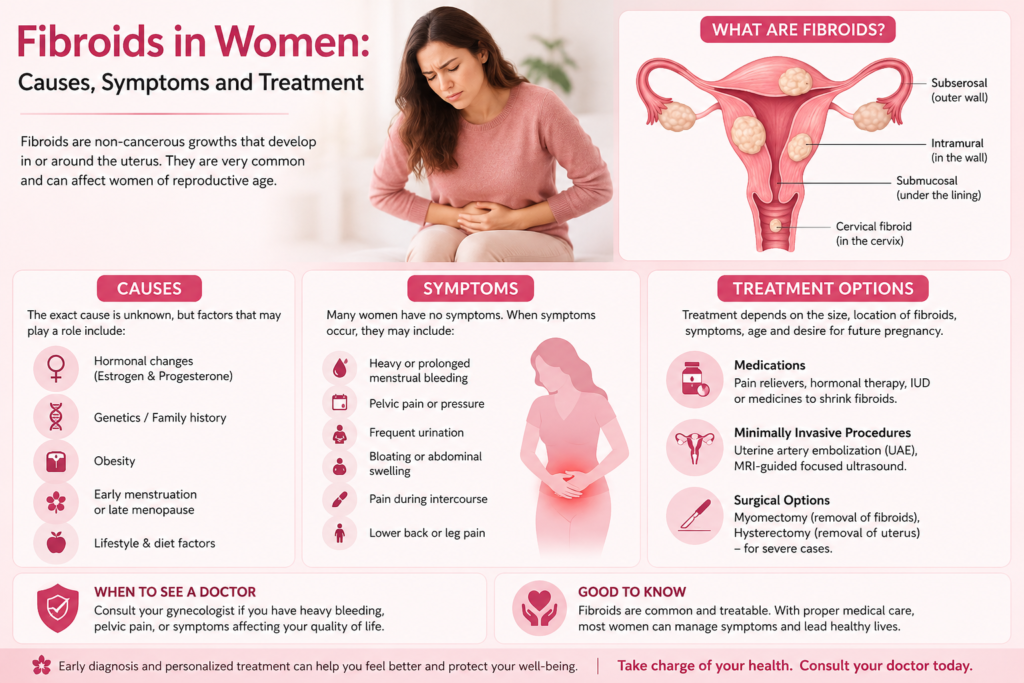
Uterine Fibroids in Women are one of the most common non-cancerous growths that develop in or around the uterus. These growths, also known as leiomyomas or myomas, can affect women of reproductive age and vary greatly in size, number, and location. While some women may never experience symptoms, others may face discomfort, heavy menstrual bleeding, pelvic pain, fertility issues, and other health concerns. If you are experiencing any of these symptoms, consulting the Best Gynecologist and Obstetrician in Janakpuri Delhi can help ensure an accurate diagnosis and timely treatment. Early medical intervention can significantly improve symptom management and overall reproductive health outcomes.
Understanding the Causes of Uterine Fibroids, recognizing the Signs and Symptoms of Fibroids, and exploring available Fibroid Treatment Options can help women manage their condition effectively and improve their quality of life. In this comprehensive guide, we will discuss everything you need to know about fibroids, including diagnosis, treatment, prevention, and when to seek medical attention.
What Are Uterine Fibroids?
Uterine Fibroids in Women are benign (non-cancerous) tumors made of muscle and fibrous tissue that grow within the uterus. They can be as small as a seed or large enough to distort the shape of the uterus. Fibroids can develop as a single growth or multiple growths.
Depending on their location, fibroids are classified into:
1. Intramural Fibroids
These develop within the muscular wall of the uterus and are the most common type.
2. Subserosal Fibroids
These grow on the outer surface of the uterus and can become quite large.
3. Submucosal Fibroids
These develop beneath the inner lining of the uterus and may cause heavy bleeding.
4. Pedunculated Fibroids
These fibroids grow on stalk-like structures attached to the uterus.
Although Uterine Fibroids in Women are usually harmless, they can significantly impact reproductive health and daily life when symptoms become severe.
Causes of Uterine Fibroids
The exact Causes of Uterine Fibroids are not fully understood. However, researchers believe that several factors contribute to their development.
Hormonal Factors
Hormones such as estrogen and progesterone play a major role in fibroid growth. Fibroids tend to grow during reproductive years when hormone levels are high and often shrink after menopause.
Genetic Changes
Many fibroids contain genetic mutations that differ from normal uterine muscle cells. Women with a family history of fibroids may have a higher risk of developing them.
Growth Factors
Certain substances in the body that help tissues grow and repair themselves may influence fibroid development. These growth factors may contribute to the Causes of Uterine Fibroids.
Obesity
Excess body weight can increase estrogen levels, which may promote fibroid growth. Studies suggest that overweight women have a greater risk of developing fibroids.
Age and Reproductive History
Fibroids are most commonly diagnosed in women aged 30 to 50 years. Women who have not experienced pregnancy may also have a higher risk.
Ethnicity
Research shows that fibroids occur more frequently and tend to be more severe in some ethnic populations. Understanding these risk factors helps explain the various Causes of Uterine Fibroids and highlights the importance of regular gynecological checkups.
Signs and Symptoms of Fibroids
Many women with fibroids experience no symptoms at all. However, when symptoms occur, they can range from mild discomfort to severe health problems.
Recognizing the Signs and Symptoms of Fibroids is essential for early diagnosis and treatment.
Heavy Menstrual Bleeding
One of the most common Signs and Symptoms of Fibroids is excessive menstrual bleeding. Women may experience prolonged periods or pass large blood clots.
Pelvic Pain and Pressure
Large fibroids can create pressure in the pelvic area, causing pain, discomfort, or a feeling of fullness.
Frequent Urination
Fibroids pressing against the bladder may increase the urge to urinate frequently.
Constipation
Fibroids can also press on the rectum, making bowel movements difficult.
Lower Back Pain
Some women experience persistent lower back pain due to the pressure caused by fibroids.
Pain During Intercourse
Depending on their location, fibroids may cause discomfort or pain during sexual activity.
Enlarged Abdomen
Large fibroids may cause noticeable abdominal swelling, making a woman appear pregnant.
Fertility Issues
In certain cases, fibroids can interfere with conception or pregnancy.
These Signs and Symptoms of Fibroids should not be ignored, especially if they interfere with daily life or cause significant discomfort.
How Are Fibroids Diagnosed?
Early diagnosis is important for managing Uterine Fibroids in Women effectively.
Medical History and Physical Examination
A healthcare provider may identify fibroids during a routine pelvic examination.
Ultrasound
Ultrasound is the most common imaging test used to confirm the presence of fibroids.
MRI Scan
Magnetic Resonance Imaging provides detailed images and helps determine the size and location of fibroids.
Hysteroscopy
A thin camera is inserted through the cervix to examine the inside of the uterus.
Blood Tests
Blood tests may be recommended to evaluate anemia caused by heavy menstrual bleeding.
Proper diagnosis helps healthcare providers recommend the most suitable Fibroid Treatment Options.
Fibroids Symptoms and Treatment
Understanding Fibroids Symptoms and Treatment is crucial because management depends on factors such as age, symptom severity, fibroid size, and future pregnancy plans.
Not every woman requires treatment. Some fibroids are small and symptom-free, requiring only regular monitoring.
Several Fibroid Treatment Options are available today, ranging from medication to surgery.
1. Watchful Waiting
For women with mild symptoms, doctors may recommend regular monitoring rather than immediate treatment.
This approach is common for small Uterine Fibroids in Women that do not cause significant discomfort.
2. Medications
Certain medications can help manage symptoms without removing the fibroids.
Hormonal Therapy
Hormonal medications may reduce heavy bleeding and shrink fibroids temporarily.
Pain Relievers
Over-the-counter pain medications can help relieve pelvic discomfort.
Iron Supplements
Women experiencing heavy bleeding may need iron supplements to prevent anemia.
Medication-based Fibroid Treatment Options are often effective for symptom management but may not permanently eliminate fibroids.
3. Non-Surgical Fibroid Treatment
Many women prefer minimally invasive approaches.
Uterine Artery Embolization (UAE)
This procedure blocks the blood supply to fibroids, causing them to shrink over time.
Radiofrequency Ablation
Heat energy is used to destroy fibroid tissue while preserving the uterus.
These advanced Fibroid Treatment Options provide effective relief with shorter recovery times.
4. Myomectomy
Myomectomy involves surgical removal of fibroids while preserving the uterus.
This option is often recommended for women who wish to become pregnant in the future.
Because it maintains fertility potential, myomectomy remains one of the most popular Fibroid Treatment Options.
5. Hysterectomy
A hysterectomy involves removing the uterus entirely and provides a permanent solution.
This procedure is generally recommended for women with severe symptoms who do not plan future pregnancies.
Among all Fibroid Treatment Options, hysterectomy is the only treatment that completely eliminates the possibility of fibroid recurrence.
Fibroids During Pregnancy
Uterine Fibroids in Women can sometimes affect pregnancy.
Potential complications include:
- Increased risk of miscarriage
- Preterm labor
- Placental problems
- Abnormal fetal position
- Cesarean delivery
However, many women with fibroids experience healthy pregnancies and deliver healthy babies.
Close monitoring by a healthcare provider is important throughout pregnancy.
Can Fibroids Affect Fertility?
While many women with fibroids conceive naturally, some fibroids can interfere with fertility.
Fibroids may:
- Block fallopian tubes
- Alter uterine shape
- Affect embryo implantation
- Increase miscarriage risk
If fertility issues are present, healthcare providers may recommend specific Fibroid Treatment Options before attempting conception.
Lifestyle Changes That May Help
Although lifestyle changes cannot completely prevent fibroids, they may help reduce risk and improve overall health.
Maintain a Healthy Weight
Obesity is linked to fibroid growth. Maintaining a healthy body weight may reduce risk.
Eat a Balanced Diet
A diet rich in fruits, vegetables, and whole grains supports hormonal balance.
Exercise Regularly
Physical activity helps regulate hormones and maintain overall reproductive health.
Manage Stress
Chronic stress may influence hormone levels. Relaxation techniques can support wellness.
Limit Processed Foods
Reducing highly processed foods and sugary beverages may contribute to better hormonal health.
These healthy habits complement medical management and support women living with Uterine Fibroids in Women.
When Should You See a Doctor?
Consult a healthcare provider if you experience:
- Heavy menstrual bleeding
- Severe pelvic pain
- Persistent abdominal swelling
- Difficulty becoming pregnant
- Frequent urination
- Symptoms of anemia
Early evaluation ensures proper diagnosis and access to effective Fibroids Symptoms and Treatment strategies.
Prevention of Uterine Fibroids
Since the exact Causes of Uterine Fibroids remain unclear, complete prevention is not possible.
However, certain measures may lower risk:
- Maintain a healthy weight
- Follow a nutritious diet
- Exercise regularly
- Control blood pressure
- Schedule regular gynecological examinations
While these steps may not guarantee prevention, they contribute to better reproductive health.
Conclusion
Uterine Fibroids in Women are common benign growths that can affect women during their reproductive years. Although many women experience no symptoms, others may struggle with heavy bleeding, pelvic pain, fertility challenges, and other complications. Understanding the Causes of Uterine Fibroids, recognizing the Signs and Symptoms of Fibroids, and seeking timely medical care can make a significant difference in managing the condition.
Fortunately, a wide range of Fibroid Treatment Options is available, from medications and minimally invasive procedures to surgical treatments. By learning about Fibroids Symptoms and Treatment, women can make informed healthcare decisions and improve their quality of life. If you experience symptoms suggestive of fibroids, consult a qualified gynecologist for accurate diagnosis and personalized treatment recommendations.