Ovarian Cyst Removal: Everything You Need to Know

Fibroids in Women: Causes, Symptoms and Treatment
June 25, 2026
Essential Newborn Care Tips for New Parents
July 10, 2026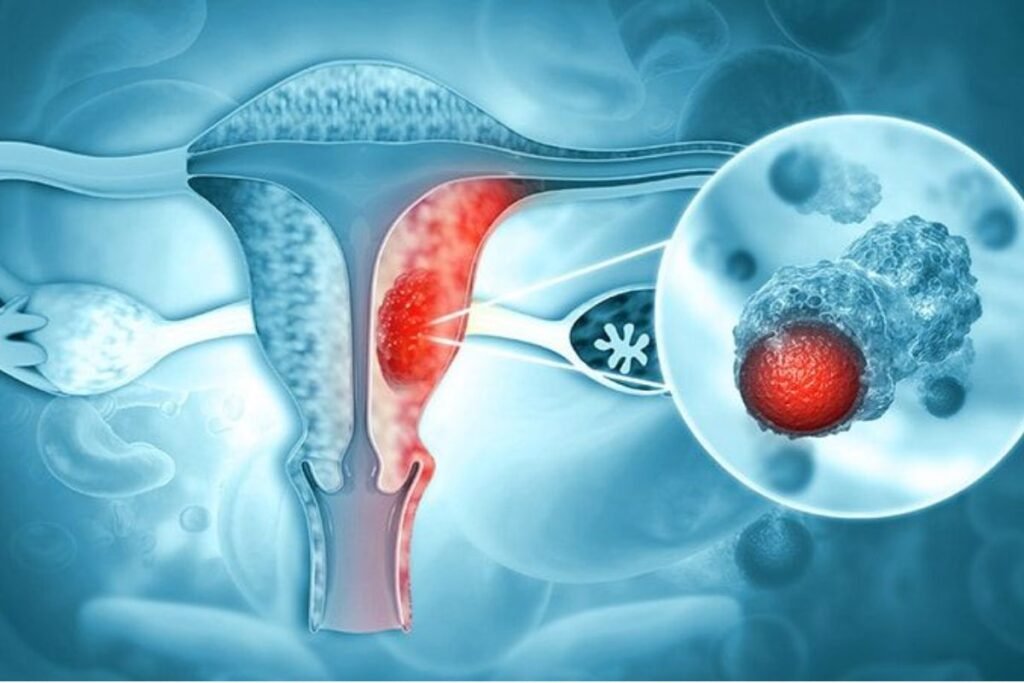
Ovarian cysts are extremely common, and most women will develop at least one during their lifetime. While many cysts resolve on their own without treatment, some grow large, cause persistent pain, or raise concerns that require medical intervention. In these cases, doctors may recommend ovarian cyst removal to relieve symptoms and rule out complications. Consulting the Best Gynecologist and Obstetrician in Janakpuri Delhi can help ensure an accurate diagnosis, personalized treatment plan, and timely surgical care when required. This guide covers everything you need to know about ovarian cyst removal, including when it’s necessary, the types of procedures available, what to expect during recovery, and the potential risks involved.
Understanding your options can help you feel more prepared if your gynecologist recommends ovarian cyst surgery. Whether you’re facing a routine ovarian cystectomy or exploring laparoscopic cyst removal, this article breaks down the process step by step so you can make informed decisions about your health.
What Is an Ovarian Cyst?
An ovarian cyst is a fluid-filled sac that develops on or inside an ovary. Most cysts are “functional,” meaning they form as a normal part of the menstrual cycle and disappear within a few weeks or months. However, other types—such as dermoid cysts, endometriomas, and cystadenomas—do not resolve naturally and may require ovarian cyst treatment.
Common symptoms of an ovarian cyst include:
- Pelvic pain or pressure
- Bloating or abdominal swelling
- Pain during intercourse
- Irregular menstrual cycles
- Frequent urination
- Nausea in severe cases
Many cysts cause no symptoms at all and are discovered incidentally during a routine pelvic exam or ultrasound. However, larger cysts or those that twist, rupture, or bleed can cause sudden, severe pain and may require urgent care.
When Is Ovarian Cyst Removal Necessary?
Not every ovarian cyst needs surgery. Doctors typically monitor small, simple cysts with follow-up ultrasounds, since these often shrink or disappear on their own. However, ovarian cyst removal becomes necessary in several situations:
- Large cysts – Cysts larger than 5–10 cm are more likely to cause complications and are often recommended for removal.
- Persistent cysts – Cysts that don’t resolve after two or three menstrual cycles may need surgical evaluation.
- Complex or suspicious cysts – Cysts with solid components, irregular borders, or unusual imaging features may require removal to rule out ovarian cancer.
- Severe symptoms – Ongoing pelvic pain, pressure, or discomfort that affects daily life.
- Cyst rupture or torsion – A ruptured cyst or twisted ovary (ovarian torsion) is a medical emergency requiring immediate surgery.
- Fertility concerns – Certain cysts, like endometriomas, can affect fertility and may be removed to improve reproductive outcomes.
Your gynecologist will use ultrasound imaging, blood tests (such as CA-125 for cancer risk assessment), and a review of your symptoms to determine whether ovarian cyst removal is the right course of action.
Types of Ovarian Cyst Surgery
There are two main surgical approaches for ovarian cyst surgery, and the choice depends on the size, type, and location of the cyst, as well as your overall health.
1. Laparoscopic Cyst Removal
Laparoscopic cyst removal is the most common and minimally invasive approach for removing ovarian cysts. During this procedure, the surgeon makes a few small incisions in the abdomen and inserts a thin, lighted camera (laparoscope) along with specialized surgical instruments. The cyst is carefully separated from healthy ovarian tissue and removed through one of the small incisions.
Benefits of laparoscopic cyst removal include:
- Smaller scars
- Less postoperative pain
- Shorter hospital stay (often same-day discharge)
- Faster return to normal activities
- Lower risk of infection compared to open surgery
This method is typically used for smaller, benign cysts that don’t show signs of malignancy.
2. Laparotomy (Open Surgery)
For larger cysts, those suspected to be cancerous, or complicated cases, doctors may recommend a laparotomy—a more traditional open surgery involving a larger abdominal incision. While recovery takes longer, this approach gives the surgeon better access and visibility, which is important if there’s a risk of cancer or if the cyst is unusually large.
Ovarian Cystectomy Procedure Explained
An ovarian cystectomy is the specific surgical procedure used to remove a cyst while preserving as much healthy ovarian tissue as possible. This distinguishes it from an oophorectomy, which involves removing the entire ovary.
Here’s what typically happens during an ovarian cystectomy:
- Anesthesia – General anesthesia is administered so you’re asleep and pain-free throughout the procedure.
- Incision – Depending on the method (laparoscopic or open), one or more incisions are made in the abdomen.
- Cyst removal – The surgeon carefully dissects the cyst away from the surrounding ovarian tissue, taking care to minimize damage to healthy ovarian function.
- Examination – The removed cyst is often sent to a lab for pathology testing to confirm whether it’s benign or malignant.
- Closure – Incisions are closed with sutures or surgical glue, and the procedure typically takes 30 minutes to a few hours, depending on complexity.
An ovarian cystectomy aims to preserve fertility and hormonal function whenever possible, which is why it’s often preferred over removing the entire ovary, especially in younger women who wish to have children in the future.
Recovery After Ovarian Cyst Removal
Ovarian cyst removal recovery varies depending on the type of surgery performed. Here’s a general timeline:
Laparoscopic Recovery
- First 24–48 hours: Mild pain, bloating, and shoulder discomfort (from gas used during surgery) are common. Most patients go home the same day or the next morning.
- First week: Light activities can usually resume, but heavy lifting and strenuous exercise should be avoided.
- 2–4 weeks: Most women fully recover and return to normal activities, including work and exercise.
Open Surgery Recovery
- Hospital stay: Typically 2–4 days.
- First 2 weeks: Rest is essential, with limited movement and no heavy lifting.
- 4–6 weeks: Full recovery, with a gradual return to normal activities as advised by your doctor.
Tips for a smoother ovarian cyst removal recovery:
- Follow all post-surgical instructions from your doctor
- Avoid heavy lifting or strenuous activity for the recommended period
- Stay hydrated and eat fiber-rich foods to prevent constipation (a common side effect of anesthesia and pain medication)
- Attend all follow-up appointments to monitor healing
- Watch for signs of infection, such as fever, redness, or unusual discharge at the incision site
Most women recover fully within a few weeks and can resume normal menstrual cycles shortly after surgery.
Risks and Complications
While ovarian cyst removal is generally safe, as with any surgery, there are potential risks to be aware of:
- Infection at the incision site
- Bleeding during or after surgery
- Damage to surrounding organs, such as the bladder or intestines
- Scarring or adhesions, which can occasionally affect fertility
- Reduced ovarian reserve, particularly if a significant portion of ovarian tissue is removed
- Anesthesia-related risks, which are rare but possible
Discussing these risks with your surgeon beforehand can help you feel more confident and prepared for the procedure.
Frequently Asked Questions
Is ovarian cyst removal painful? Most patients experience mild to moderate pain after surgery, which is well-managed with prescribed pain medication. Laparoscopic procedures generally cause less discomfort than open surgery.
Will I still be able to have children after ovarian cyst removal? In most cases, yes. Surgeons aim to preserve healthy ovarian tissue during an ovarian cystectomy, which helps maintain fertility. However, this depends on the size and location of the cyst.
How long does the surgery take? Laparoscopic cyst removal typically takes 30–90 minutes, while open surgery may take longer depending on complexity.
Can ovarian cysts come back after removal? Yes, it’s possible to develop new cysts in the future, especially if you have a condition like polycystic ovary syndrome (PCOS) or endometriosis. Regular check-ups can help catch any new growths early.
Conclusion
Ovarian cyst removal is a common and generally safe procedure that can relieve pain, protect fertility, and rule out serious conditions like ovarian cancer. Whether you undergo a minimally invasive laparoscopic cyst removal or a more involved ovarian cystectomy, understanding the procedure and recovery process can help ease anxiety and set realistic expectations. If you’re experiencing symptoms of an ovarian cyst or have been advised to consider surgery, talk to your gynecologist about the best treatment plan for your specific situation. With proper care and follow-up, most women recover fully and return to their normal, healthy lives.