How to Build Healthy Daily Habits for Children

Sleep and Behaviour in Children: What Every Parent Should Know
October 24, 2025Helping Children Develop Healthy Sleep Patterns
February 9, 2026
Building healthy daily habits for children is not about strict rules or perfect schedules. It is about consistency, balance, and setting examples they can naturally follow. As parents, the small choices you repeat every day shape your child’s physical health, emotional strength, and lifelong behavior patterns. The earlier these habits are introduced, the easier they become to maintain as children grow.
Healthy habits are not formed overnight. They develop slowly through routine, encouragement, and patience. Children observe more than they listen, so what you practice at home matters just as much as what you teach.
Why daily habits matter in childhood
Daily habits influence how children eat, sleep, move, learn, and manage emotions. Strong routines help children feel secure and confident. When their day follows a predictable rhythm, they are better able to focus, regulate emotions, and adapt to new situations. Healthy habits also reduce the risk of common childhood concerns such as poor immunity, obesity, frequent illness, and behavioral challenges.
Parents often focus on academics or extracurricular activities, but without healthy daily habits, children may struggle with energy levels, concentration, and overall well-being.
Start with a consistent daily routine
Children thrive on structure. A simple, predictable routine helps them understand what to expect and when. This does not mean a rigid timetable, but rather a general flow to the day. Regular wake-up times, meals, play hours, study periods, and bedtime ensure balance and stability.
Morning routines set the tone for the entire day. Encourage children to wake up at a fixed time, freshen up, eat a nutritious breakfast, and prepare calmly for school. Evening routines should gradually slow the pace, allowing the body and mind to relax before sleep.
Consistency builds discipline naturally, without pressure.
Encourage balanced and mindful eating
Healthy eating habits begin at home. Children learn food preferences from what they see on their plates every day. Offer balanced meals that include fruits, vegetables, whole grains, proteins, and healthy fats. Avoid forcing children to eat but encourage variety and portion control.
Limit sugary snacks, packaged foods, and excessive screen-time eating. Instead, promote mindful eating by having meals together as a family whenever possible. This not only improves nutrition but also strengthens emotional bonds.
Hydration is equally important. Encourage children to drink enough water throughout the day instead of relying on sweetened beverages.
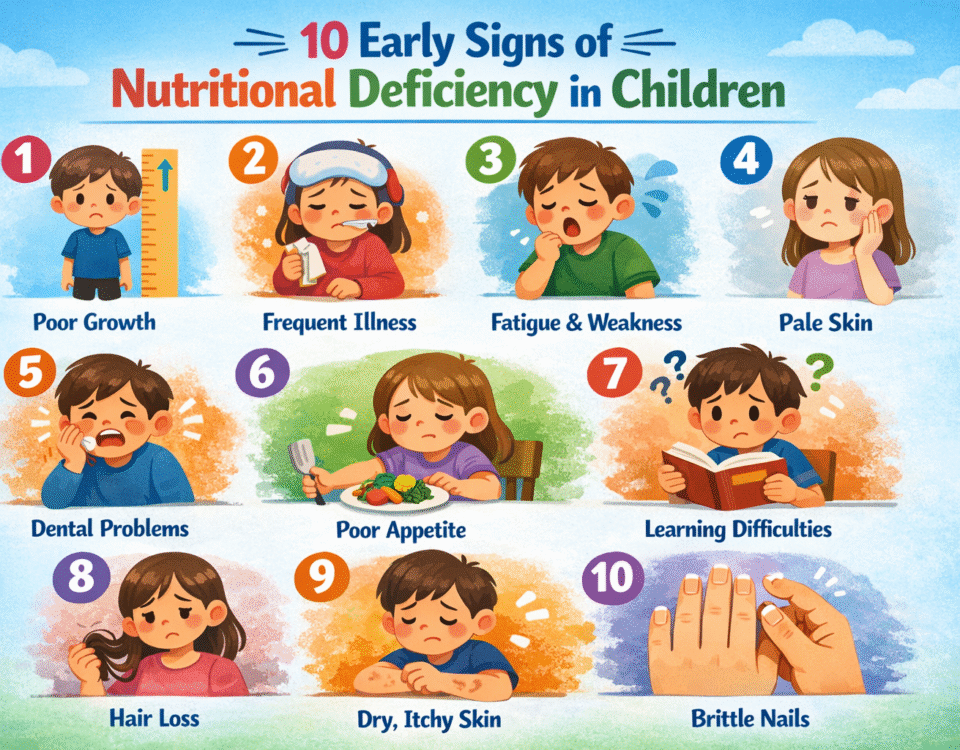
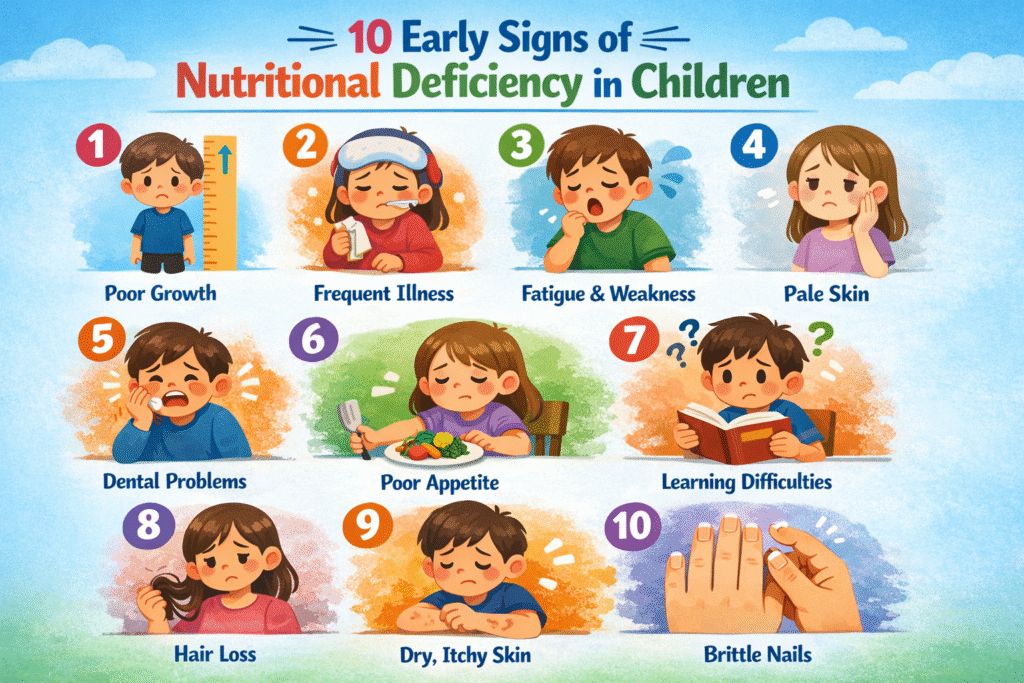
If parents have concerns about growth, immunity, or nutrition gaps, consulting a Best Pediatric Doctor in Delhi can help tailor dietary advice based on the child’s age and needs.
Make physical activity a daily habit
Children need movement every day. Physical activity supports healthy growth, bone strength, immunity, and emotional well-being. It does not have to be structured exercise. Simple activities like outdoor play, cycling, skipping, dancing, or sports are enough.
Limit sedentary time, especially long hours of screen use. Encourage breaks between study sessions and promote active play over passive entertainment. When parents participate in physical activities, children are more likely to enjoy and continue them.
Movement should feel fun, not forced.
Prioritize quality sleep
Sleep is one of the most overlooked aspects of a child’s health. Poor sleep can affect mood, learning ability, immunity, and growth. Children need age-appropriate sleep hours, along with a calming bedtime routine.
Avoid screens at least one hour before bedtime. Dim lights, reduce noise, and engage in calming activities like reading or quiet conversation. A fixed sleep and wake time, even on weekends, helps regulate the body clock.
Quality sleep supports both physical development and emotional balance.
Teach hygiene and self-care habits early
Daily hygiene habits protect children from infections and help them develop self-responsibility. Teach proper handwashing, brushing teeth twice a day, bathing regularly, and keeping nails trimmed.
Explain why these habits matter instead of treating them as chores. When children understand the reason behind actions, they are more likely to follow them independently.
Regular dental checkups and health screenings also play an important role in preventive care.
Support emotional and mental well-being
Healthy habits are not only physical. Emotional health is equally important. Encourage open communication at home. Let children express their feelings without fear of judgment. Listen actively and validate their emotions.
Teach simple coping skills such as deep breathing, taking breaks, and talking about problems. Avoid excessive pressure related to performance or comparisons with others. A supportive environment builds resilience and confidence.
Limiting screen exposure and promoting creative play also support mental well-being.
Be a role model, not a rule-maker
Children imitate adults. If parents eat well, stay active, manage stress calmly, and follow routines, children naturally adopt these behaviors. Lectures rarely work, but consistent actions do.
Avoid expecting habits from children that you do not practice yourself. When healthy living becomes a family culture, children follow without resistance.
Schedule regular health checkups
Preventive healthcare ensures children stay on the right growth and development path. Regular checkups help identify potential concerns early and provide guidance tailored to the child’s age.
Access to reliable hospitals in new delhi india ensures parents can seek timely medical advice, vaccinations, and developmental assessments when needed. Preventive care reduces long-term health risks and supports overall well-being.
Building habits takes time and patience
There will be resistance, missed days, and setbacks. That is normal. Focus on progress, not perfection. Introduce one habit at a time instead of overwhelming your child with multiple changes at once.
Positive reinforcement works better than punishment. Praise effort, encourage consistency, and gently guide children back on track when routines break.
Final thoughts
Healthy daily habits form the foundation of a child’s future health and happiness. With consistent routines, balanced nutrition, active play, quality sleep, emotional support, and regular medical guidance, parents can help children grow into strong, confident individuals.