Severe Menstrual Pain: Causes, Symptoms, Relief and When to Seek Help

Recovery After Laparoscopic Surgery: Complete Healing Guide
July 29, 2026
Unusual Vaginal Discharge: Causes, Colors, and When to See a Doctor
August 8, 2026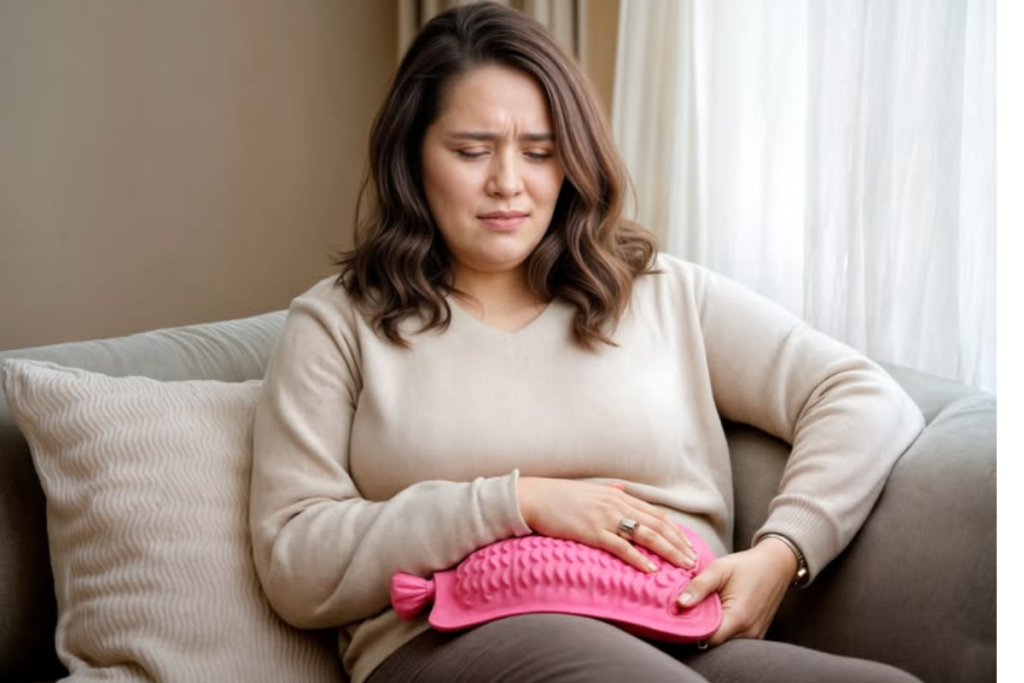
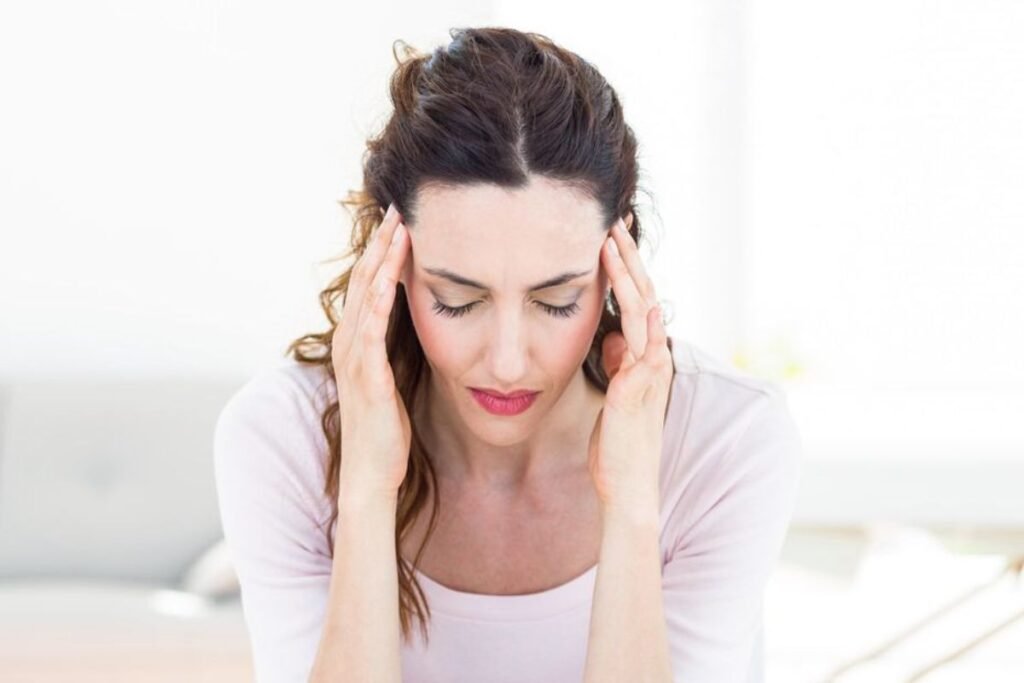
Menstrual pain is common, but when the pain becomes intense enough to affect your daily life, work, studies, sleep, or relationships, it should not simply be ignored. Severe menstrual pain can sometimes be a sign of an underlying health condition that needs proper medical attention.
Some people experience mild discomfort for a day or two, while others may have strong cramps, back pain, nausea, headaches, fatigue, or dizziness during their periods. Understanding the possible causes and knowing when to seek help can make it easier to manage your symptoms and protect your overall menstrual health.
In some cases, persistent menstrual discomfort may also be associated with gynecological conditions that require specialized evaluation. Consulting a Cosmetic Gynecologist in Delhi NCR can help identify underlying issues, provide advanced diagnostic support, and recommend personalized treatment options that improve both reproductive health and overall well-being.
Recognizing the warning signs early and seeking timely medical advice can help prevent complications and ensure that you receive the right care for a healthier, more comfortable menstrual cycle.
What Is Severe Menstrual Pain?
Menstrual pain, also known as dysmenorrhea, usually occurs before or during a period. It happens when the uterus contracts to help shed its lining. These contractions are influenced by chemicals called prostaglandins.
For many people, mild to moderate discomfort is a normal part of the menstrual cycle. However, severe menstrual pain can be much stronger and may interfere with normal activities.
You may experience:
- Strong lower abdominal cramps
- Lower back pain
- Pain that spreads to the thighs
- Nausea or vomiting
- Headaches
- Diarrhea
- Weakness or tiredness
- Dizziness
- Difficulty sleeping
- Trouble concentrating at work or school
If your period pain regularly prevents you from following your normal routine, it is worth discussing it with a healthcare professional.
Common Causes of Menstrual Pain
Not all period pain has the same cause. Some people experience painful periods without an underlying medical condition, while others may have a condition affecting the uterus or reproductive system.
1. Primary Dysmenorrhea
Primary dysmenorrhea is period pain that is not caused by another medical condition. It is often related to higher levels of prostaglandins, which can cause stronger uterine contractions.
This type of pain commonly begins around the time periods start and may improve as a person gets older. The discomfort may be strongest during the first one or two days of menstruation.
2. Endometriosis
Endometriosis occurs when tissue similar to the lining of the uterus grows outside the uterus. It can cause significant pain, particularly during menstruation.
People with endometriosis may experience severe menstrual pain, pain during or after sex, heavy periods, pelvic pain, or pain during bowel movements or urination around their period.
Because these symptoms can sometimes be mistaken for normal period discomfort, diagnosis may take time. Persistent or worsening symptoms should be evaluated by a healthcare professional.
3. Uterine Fibroids
Fibroids are non-cancerous growths that can develop in or around the uterus. Some people with fibroids have no symptoms, while others may experience heavy menstrual bleeding, pelvic pressure, or painful periods.
The size, number, and location of fibroids can affect the symptoms a person experiences.
4. Adenomyosis
Adenomyosis occurs when tissue similar to the uterine lining grows into the muscular wall of the uterus. It may cause heavy periods, pelvic pain, and strong cramps.
If your period suddenly becomes much more painful or heavier than it used to be, a medical evaluation can help identify the cause.
5. Pelvic Infections
Certain infections affecting the reproductive organs can cause pelvic pain. These infections may also be associated with unusual vaginal discharge, fever, pain during sex, or discomfort while urinating.
Such symptoms should not be ignored and require medical evaluation.
Symptoms That May Accompany Painful Periods
Everyone experiences menstruation differently. Some people have only mild cramps, while others experience several symptoms at the same time.
Common symptoms associated with painful periods include abdominal cramping, lower back discomfort, fatigue, nausea, diarrhea, headaches, and mood changes.
The intensity of symptoms can also change from one cycle to another.
However, pain that becomes progressively worse, lasts longer than usual, or interferes with everyday activities deserves attention. Keeping track of your symptoms can help your healthcare provider understand what is happening.
How Can You Get Period Pain Relief?
There are several ways that may help reduce menstrual discomfort. The best approach depends on the cause and severity of your symptoms.
Use Heat
Applying a heating pad or hot-water bottle to the lower abdomen may help relax muscles and reduce cramps. A warm bath or shower may also provide temporary comfort.
Always use heat safely and avoid placing very hot objects directly against your skin.
Stay Physically Active
Gentle physical activity may help some people manage menstrual discomfort. Walking, stretching, yoga, or other light exercises can promote movement and may reduce the feeling of stiffness and discomfort.
You do not need to perform intense exercise when you are experiencing significant pain. Choose an activity that feels comfortable for you.
Get Enough Rest
Periods can be tiring, particularly when bleeding is heavy or pain affects sleep. Getting adequate rest may help your body cope with discomfort.
Try to maintain a regular sleep schedule and give yourself time to relax when symptoms are stronger.
Maintain a Balanced Diet
A balanced diet supports overall health and can contribute to good menstrual health. Include a variety of fruits, vegetables, whole grains, protein sources, and healthy fats in your meals.
Staying hydrated is also important, particularly if you experience diarrhea or heavy bleeding during your period.
Consider Over-the-Counter Pain Relief
Certain over-the-counter pain medicines can help with menstrual cramps. Nonsteroidal anti-inflammatory drugs (NSAIDs), such as ibuprofen or naproxen, may be effective for some people because they reduce prostaglandin production.
However, these medicines are not suitable for everyone. People with certain medical conditions, allergies, stomach problems, kidney problems, or other health concerns should speak with a healthcare professional before using them.
Always follow the medicine’s instructions and recommended dosage.
When Should You See a Doctor?
Occasional mild cramps may not require medical attention. However, severe menstrual pain should be discussed with a healthcare professional if it repeatedly affects your daily life.
Consider seeking medical advice if:
- Your period pain is extremely strong
- Pain prevents you from attending school or work
- Pain does not improve with usual measures
- Your symptoms suddenly become worse
- Your periods become unusually heavy
- You experience bleeding between periods
- You have pain during sex
- You experience unusual vaginal discharge
- You have fever along with pelvic pain
- You feel faint or extremely weak
- Your periods become significantly different from your usual pattern
A healthcare professional can review your symptoms, medical history, and menstrual cycle and decide whether further testing is needed.
How Is the Cause of Menstrual Pain Diagnosed?
Diagnosis starts with a discussion about your symptoms. Your healthcare provider may ask when the pain begins, how long it lasts, how severe it is, whether your periods are heavy, and whether you experience other symptoms.
Keeping a menstrual diary can be useful. Record:
- The first and last day of your period
- How heavy the bleeding is
- When your pain starts
- How severe the pain feels
- Other symptoms
- Medicines or home treatments you use
- Whether the symptoms affect your normal activities
Depending on your symptoms, your healthcare provider may recommend a physical examination or imaging tests such as an ultrasound.
The goal is to identify whether the pain is simply related to menstrual contractions or whether another condition may be responsible.
Can Menstrual Pain Be Prevented?
Not every cause of period pain can be prevented. However, healthy lifestyle habits may support overall menstrual health and help some people manage symptoms.
Regular physical activity, adequate sleep, a balanced diet, hydration, stress management, and keeping track of your menstrual cycle can all be useful.
If you frequently experience painful periods, do not wait until the pain becomes unbearable before discussing it with a healthcare professional.
Early evaluation can be particularly important when symptoms are changing or becoming progressively worse.
Menstrual Pain and Your Daily Life
Period pain should not be treated as something you simply have to tolerate. If cramps regularly make it difficult to work, study, exercise, sleep, or spend time with family and friends, it can have a significant impact on your quality of life.
Many people become accustomed to their symptoms and may assume that very painful periods are normal for them. While some discomfort is common, severe or disabling pain deserves attention.
Understanding your own menstrual pattern can help you recognize when something changes.
For example, if your periods were previously manageable but have suddenly become much more painful, heavier, or longer, that change is worth discussing with a healthcare professional.
Why Tracking Your Period Can Help
A period-tracking app, calendar, or simple notebook can help you identify patterns.
You can record the date your period begins, the number of days it lasts, pain levels, bleeding intensity, and other symptoms.
Over several months, this information may show whether your symptoms occur consistently or whether there has been a recent change.
It can also make conversations with your healthcare provider more productive because you have specific information about your cycle.
Understanding Your Menstrual Health
Good menstrual health involves more than simply having a monthly period. It includes understanding your cycle, recognizing changes in your symptoms, having access to appropriate care, and feeling comfortable discussing menstrual concerns.
There is no single “normal” period that applies to everyone. Cycle length, bleeding, and symptoms can vary from person to person.
However, significant pain should not be dismissed simply because it happens during menstruation.
If your symptoms are affecting your everyday life, getting professional advice can help you understand what is happening and what treatment options may be available.
Final Thoughts
Menstrual cramps can be a normal part of menstruation, but severe menstrual pain that repeatedly interferes with daily life should not be ignored. Conditions such as endometriosis, fibroids, adenomyosis, or pelvic infections can sometimes cause significant period pain and require appropriate treatment.
Simple measures such as heat, gentle activity, adequate rest, hydration, and appropriate pain relief may help manage symptoms for some people. If symptoms continue despite these measures, consulting the Best Gynecologist and Obstetrician in Janakpuri Delhi can help identify the underlying cause and ensure you receive the most appropriate diagnosis and treatment for long-term relief.
However, persistent or worsening pain needs professional evaluation. Pay attention to changes in your periods, track your symptoms, and speak with a healthcare professional if your pain is severe, unusual, or affecting your quality of life.
Taking menstrual symptoms seriously is an important part of looking after your overall health.