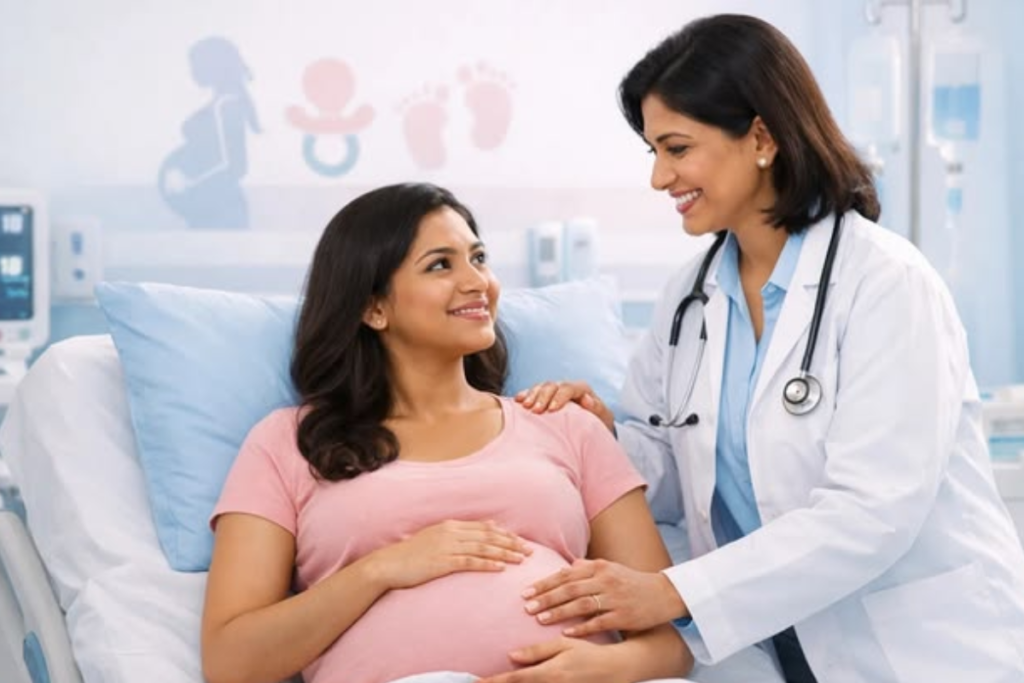
Infertility in Women: Causes, Diagnosis & Treatment

Uterine Fibroids: Symptoms, Causes and Treatment
October 1, 2026
Preconception Care: How to Prepare Your Body for Pregnancy
October 8, 2026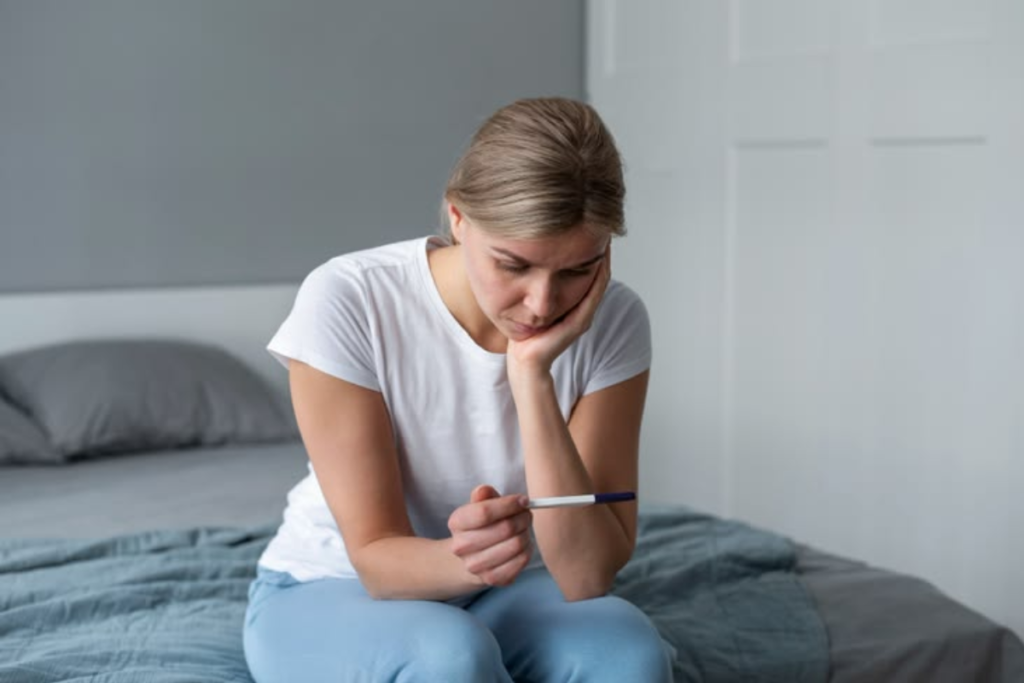
Infertility can be an emotional and challenging experience for women who are trying to become pregnant. While conception may happen naturally for many couples, some may have difficulty getting pregnant even after regular, unprotected intercourse. Infertility in women can have several possible causes, including hormonal problems, ovulation disorders, reproductive health conditions, age-related changes, and lifestyle factors.
Women experiencing persistent difficulties with conception may consider consulting a Best Gynecologist and Obstetrician in Janakpuri Delhi for a proper evaluation and personalized guidance. Understanding the possible causes, symptoms, diagnostic process, and available treatment options can help women make informed decisions about their reproductive health. Early evaluation can also help identify potential problems and determine an appropriate treatment approach.
What Is Female Infertility?
Female infertility generally refers to difficulty becoming pregnant after regular, unprotected sexual intercourse for a certain period. In many cases, infertility may be related to problems with ovulation, the fallopian tubes, uterus, cervix, or other reproductive factors.
Fertility can also be affected by age because both the number and quality of eggs can decline over time. However, infertility is not always caused by a single condition. Several factors may contribute to difficulty conceiving, which is why a proper medical evaluation is important.
Common Female Infertility Symptoms
Infertility itself may not always cause noticeable symptoms. For some women, difficulty becoming pregnant is the first indication that there may be an underlying fertility problem. However, certain changes may suggest that further evaluation could be helpful.
Some possible female infertility symptoms include:
- Irregular or absent menstrual periods
- Very heavy or unusually light periods
- Painful menstrual cycles
- Pelvic pain
- Symptoms associated with hormonal imbalance
- Signs of conditions such as polycystic ovary syndrome
- Repeated pregnancy loss
- Difficulty becoming pregnant despite regular attempts
It is important to remember that having one of these symptoms does not necessarily mean that a woman is infertile. A healthcare professional can determine whether further testing is appropriate.
Causes of Female Infertility
There are many possible causes of female infertility, and the underlying reason can vary from one woman to another. Identifying the cause is an important part of developing an appropriate treatment plan.
Ovulation Disorders
Ovulation occurs when an ovary releases an egg. Problems with regular ovulation can make conception more difficult. Hormonal conditions, polycystic ovary syndrome, thyroid disorders, significant weight changes, and other factors may affect ovulation.
When ovulation is irregular or does not occur, the chances of conception may decrease because an egg may not be available for fertilization.
Age-Related Fertility Changes
Age can have an important influence on female fertility. As women get older, the number of available eggs decreases, and egg quality may also decline. This can make conception more difficult and may increase the risk of certain pregnancy complications.
For this reason, age is often considered during fertility evaluation and treatment planning.
Fallopian Tube Problems
The fallopian tubes provide a pathway for the egg and sperm to meet. If the tubes are blocked or damaged, fertilization may become difficult.
Previous pelvic infections, certain surgeries, endometriosis, or other conditions can sometimes affect the fallopian tubes.
Endometriosis
Endometriosis occurs when tissue similar to the lining of the uterus grows outside the uterus. It may cause pelvic pain, painful periods, and in some cases fertility difficulties.
The condition can affect reproductive organs and may interfere with normal reproductive processes.
Uterine or Cervical Conditions
Problems involving the uterus or cervix may sometimes affect conception or pregnancy. Fibroids, polyps, structural abnormalities, and certain cervical conditions may be associated with fertility problems.
A healthcare professional may recommend imaging or other examinations when these conditions are suspected.
Lifestyle and Other Factors
Lifestyle factors may also influence reproductive health. Smoking, excessive alcohol consumption, significant weight changes, poor nutrition, chronic stress, and inadequate physical activity may affect overall fertility in some women.
Maintaining a balanced lifestyle and addressing modifiable risk factors can support general reproductive health.
How Is Female Infertility Diagnosed?
The female infertility diagnosis process usually begins with a detailed medical and reproductive history. A healthcare professional may ask about menstrual cycles, previous pregnancies, medical conditions, medications, surgeries, lifestyle habits, and how long the couple has been trying to conceive.
Several tests may be recommended depending on the individual’s circumstances.
Ovulation Testing
Blood tests and menstrual-cycle tracking may help determine whether ovulation is occurring regularly. Hormone testing can provide additional information about reproductive function.
Ultrasound
A pelvic ultrasound can help evaluate the uterus and ovaries. It may identify conditions such as ovarian cysts, fibroids, or other structural changes.
Fallopian Tube Testing
Tests may be used to determine whether the fallopian tubes are open. One commonly used procedure involves introducing contrast material and taking imaging to examine the uterus and tubes.
Ovarian Reserve Testing
Certain blood tests and ultrasound assessments may provide information about ovarian reserve. These tests can be useful when evaluating fertility, although they do not independently predict whether a woman will become pregnant.
Additional Evaluation
Depending on the situation, doctors may recommend other investigations. Since fertility involves both partners, evaluation of the male partner may also be recommended rather than focusing only on the woman.
Infertility Treatment Options for Women
Treatment depends on the underlying cause, age, overall health, fertility history, and other individual factors. Infertility treatment for women may involve lifestyle changes, medication, procedures, or assisted reproductive techniques.
Lifestyle Changes
For some women, improving general health may be part of fertility care. Maintaining a healthy weight, eating a balanced diet, avoiding tobacco, limiting alcohol, exercising appropriately, and managing stress can support overall wellbeing.
Lifestyle changes alone may not correct every fertility problem, but they can be an important part of comprehensive care.
Medications
Fertility medications may be prescribed to help stimulate or regulate ovulation. The choice of medication depends on the specific condition and should be determined by a qualified healthcare professional.
Women using fertility medication may require monitoring to assess the response and reduce potential risks.
Surgical Treatment
In certain situations, surgery may be considered. For example, a procedure may be recommended to treat some forms of endometriosis, remove certain fibroids or polyps, or address problems affecting the reproductive organs.
The benefits and risks of surgery should be discussed carefully before treatment.
Intrauterine Insemination
Intrauterine insemination, or IUI, involves placing prepared sperm directly into the uterus around the time of ovulation. It may be considered in selected fertility situations.
In Vitro Fertilization
In vitro fertilization, commonly known as IVF, involves retrieving eggs, fertilizing them with sperm in a laboratory, and transferring an embryo into the uterus. IVF may be recommended when other treatments are unsuccessful or when certain fertility conditions are present.
The appropriate treatment depends on the individual’s circumstances, and not every woman requires IVF.
When Should You Seek Medical Advice?
Women may consider discussing fertility with a healthcare professional when pregnancy has not occurred despite regular attempts, particularly when there are irregular periods, known reproductive conditions, previous pelvic surgery, or other concerns.
Earlier evaluation may be particularly important when there are factors that could affect fertility. A doctor can review the individual’s history and recommend appropriate tests rather than relying on symptoms alone.
Conclusion
Infertility in women can result from many different factors, including ovulation problems, age-related changes, fallopian tube conditions, endometriosis, uterine problems, and lifestyle factors. Because the causes can vary significantly, a personalized evaluation is important.
Recognizing possible female infertility symptoms, understanding the causes of female infertility, and completing an appropriate female infertility diagnosis can help identify the next steps. Women may also discuss specialized reproductive and gynecological concerns, including Cosmetic Gynecology in Delhi NCR, with a qualified healthcare professional when appropriate. Depending on the underlying issue, infertility treatment for women may include lifestyle modifications, medication, surgery, IUI, IVF, or other approaches.
If you are concerned about fertility or have been trying to conceive without success, speaking with a qualified healthcare professional can help you understand your options and create an appropriate care plan.