When Should Parents Be Concerned About Fever in Children?

Pelvic Pain in Women: Common Causes and Treatment Options
August 20, 2026
Understanding the Common Causes of Fever in Babies and Children
August 27, 2026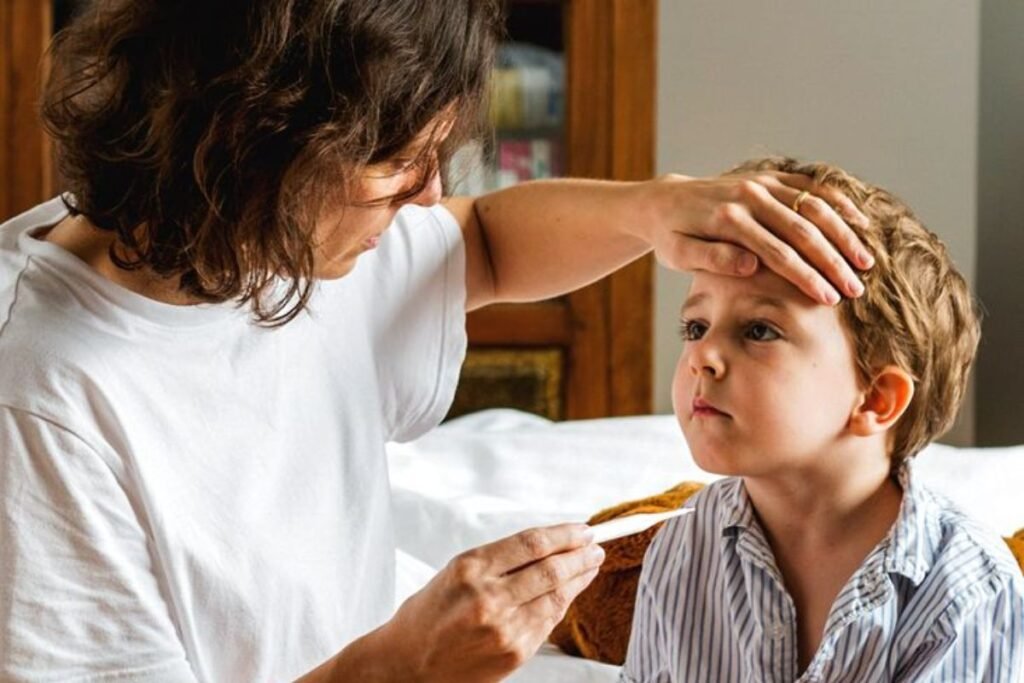
Fever is one of the most common reasons parents become concerned about their child’s health. A warm forehead, tired behavior, poor appetite, or chills can make parents wonder whether the illness is serious. In many cases, fever is simply the body’s natural response to an infection and improves with proper rest, fluids, and monitoring. If parents are unsure about their child’s symptoms, consulting a Best Pediatric Doctor in Delhi can provide appropriate guidance. However, some situations require prompt medical attention.
Understanding what causes fever, recognizing child fever symptoms, and knowing when professional care is needed can help parents respond calmly and appropriately. This guide explains common causes of fever, warning signs, home-care measures, and situations when a child should be evaluated by a doctor.
What Is a Fever in Children?
Fever is generally a temporary rise in body temperature that occurs when the immune system responds to an infection or another condition. Viral infections such as colds, flu, and some stomach infections are common causes. Bacterial infections can also cause fever.
The temperature itself is not always an indication of how serious an illness is. A child with a moderate fever may feel quite unwell, while another child with a higher temperature may remain relatively active. Parents should consider the child’s age, behavior, symptoms, hydration, and overall condition along with the temperature reading.
Using a reliable digital thermometer can help parents monitor changes accurately rather than relying only on how warm the child feels.
Common Child Fever Symptoms
Along with an elevated temperature, children may develop several symptoms depending on the underlying cause. Common child fever symptoms can include:
- Feeling unusually warm or cold
- Chills or shivering
- Sweating
- Tiredness or weakness
- Reduced appetite
- Headache
- Muscle or body aches
- Irritability or fussiness
- Increased sleepiness
- Cough, sore throat, runny nose, vomiting, or diarrhea
Some children may also have temporary changes in their activity level. A child who is drinking fluids, responding normally, and becoming more comfortable as the fever decreases may often be monitored at home.
However, symptoms should always be considered together rather than focusing only on the number shown on the thermometer.
Common Causes of Fever
Most childhood fevers are caused by infections. Viral illnesses are particularly common and may resolve without specific treatment. Respiratory infections, influenza, viral throat infections, and stomach viruses can all lead to fever.
Other possible causes include bacterial infections, urinary tract infections, ear infections, and certain inflammatory conditions. Occasionally, fever can occur after vaccination and usually remains temporary.
The cause is more important than simply lowering the temperature. Parents should observe how the child is behaving and whether other symptoms are developing.
How High Fever in Kids Can Be Managed at Home
When a child has a fever but is otherwise alert and comfortable, home care may be appropriate. Encourage frequent fluids such as water, milk, or oral rehydration solutions when appropriate. Good hydration is especially important if the child is sweating, vomiting, or experiencing diarrhea.
Dress the child in comfortable, lightweight clothing and avoid covering them with excessive blankets. Allow plenty of rest and check their condition regularly.
For high fever in kids, parents should avoid attempting aggressive cooling methods. Very cold baths, ice, or alcohol rubs can be uncomfortable and may be harmful. Instead, keep the child in a comfortable environment and follow appropriate medical advice.
Medication to reduce fever should only be given according to the child’s age, weight, and medical guidance. Never give aspirin to children unless specifically directed by a healthcare professional.
Fever Treatment for Children
There is no single treatment that works for every fever because treatment depends on the underlying cause. Many viral infections improve with rest, hydration, and observation.
Fever treatment for children may involve medicines that reduce discomfort or temperature when recommended by a healthcare professional. Parents should always check the correct dose based on the child’s weight and the instructions provided with the medicine.
Antibiotics should not be given without medical advice. They are useful for certain bacterial infections but do not treat ordinary viral illnesses. Giving unnecessary antibiotics can cause side effects and contribute to antibiotic resistance.
If fever continues, returns repeatedly, or is accompanied by concerning symptoms, a pediatrician can determine whether testing or specific treatment is necessary.
When Should Parents Contact a Doctor?
Parents should contact a healthcare professional when a child appears significantly unwell or when the fever is accompanied by symptoms that could indicate a more serious problem.
Medical advice may be appropriate if the child:
- Is unusually sleepy, confused, or difficult to wake
- Has difficulty breathing
- Has persistent vomiting
- Is unable to drink or keep fluids down
- Shows signs of dehydration
- Has a severe or worsening headache
- Develops a stiff neck
- Has a seizure
- Develops a concerning rash
- Has severe or persistent pain
- Continues to have fever without improvement
The child’s age is also important. When to see a doctor for child fever depends partly on age, temperature, duration, and accompanying symptoms. Babies, particularly very young infants, may need urgent medical assessment for fever because serious infections can sometimes develop without many obvious symptoms.
Signs of Dehydration to Watch For
Fever can increase fluid loss, particularly when accompanied by sweating, vomiting, or diarrhea. Parents should watch for signs of dehydration such as a dry mouth, fewer wet diapers or trips to the bathroom, absence of tears when crying, unusual weakness, or excessive sleepiness.
Encourage small, frequent amounts of fluid rather than forcing a large quantity at once. If a child cannot drink adequately or appears dehydrated, medical evaluation may be necessary.
Fever and Seizures
Some children between certain young ages can experience febrile seizures when their temperature rises rapidly. These seizures can be frightening for parents, but many are brief and do not cause long-term problems.
If a child has a seizure, place them on a safe surface, move nearby objects away, and do not put anything into their mouth. Do not attempt to restrain them. Seek emergency medical help if the seizure lasts several minutes, repeats, causes breathing problems, or the child does not recover normally afterward.
Parents who have never experienced a febrile seizure should seek medical advice after the event to understand what happened and whether further evaluation is required.
What Parents Should Avoid During a Fever
When caring for a sick child, some well-intentioned actions can cause problems. Avoid giving medicines more frequently than recommended or combining products without checking their ingredients.
Do not use antibiotics left over from a previous illness. Do not force food if the child has little appetite, but continue encouraging fluids.
Parents should also avoid relying entirely on temperature readings. A thermometer provides useful information, but a child’s behavior, breathing, hydration, and responsiveness are equally important.
When to Seek Emergency Medical Care
Certain symptoms require immediate attention rather than routine observation. Seek emergency medical assistance if a child has serious breathing difficulty, becomes unresponsive, has a prolonged seizure, develops a rapidly spreading or unusual rash, or appears severely ill.
Very young infants with a fever should also receive prompt medical advice because their immune systems are still developing and infections can sometimes become serious quickly.
If you are unsure whether symptoms are urgent, it is safer to contact a healthcare professional and explain the child’s age, temperature, symptoms, and how long the fever has lasted.
How Parents Can Monitor a Child With Fever
Keep a simple record of the child’s temperature, the time it was measured, fluids taken, medicines given, and other symptoms. This information can be useful if medical advice becomes necessary.
Focus on whether the child is drinking, urinating normally, breathing comfortably, responding appropriately, and gradually becoming more comfortable.
Most childhood fevers improve as the underlying infection resolves. Parents do not always need to bring the temperature completely back to normal if the child is comfortable and otherwise doing well.
Final Thoughts
Fever is common during childhood and is often part of the body’s normal response to infection. In many situations, careful monitoring, adequate fluids, rest, and appropriate care are enough for recovery.
Understanding child fever symptoms, recognizing warning signs, and knowing when to see a doctor for child fever can help parents make informed decisions. Pay attention not only to the thermometer reading but also to the child’s behavior, hydration, breathing, and overall condition. For families seeking trusted medical guidance in Delhi, a Best Gynecologist and Obstetrician in Janakpuri Delhi can also help address related concerns for mothers and families.
When a child is very young, appears seriously unwell, has difficulty breathing, becomes unusually sleepy, experiences a seizure, or develops other concerning symptoms, professional medical assessment should not be delayed.
If you are worried about your child’s condition or are uncertain about appropriate fever treatment for children, contact a pediatric healthcare professional for personalized advice.