Helping Children Develop Healthy Sleep Patterns
How to Build Healthy Daily Habits for Children
February 2, 2026
10 Early Signs of Nutritional Deficiency in Children
February 24, 2026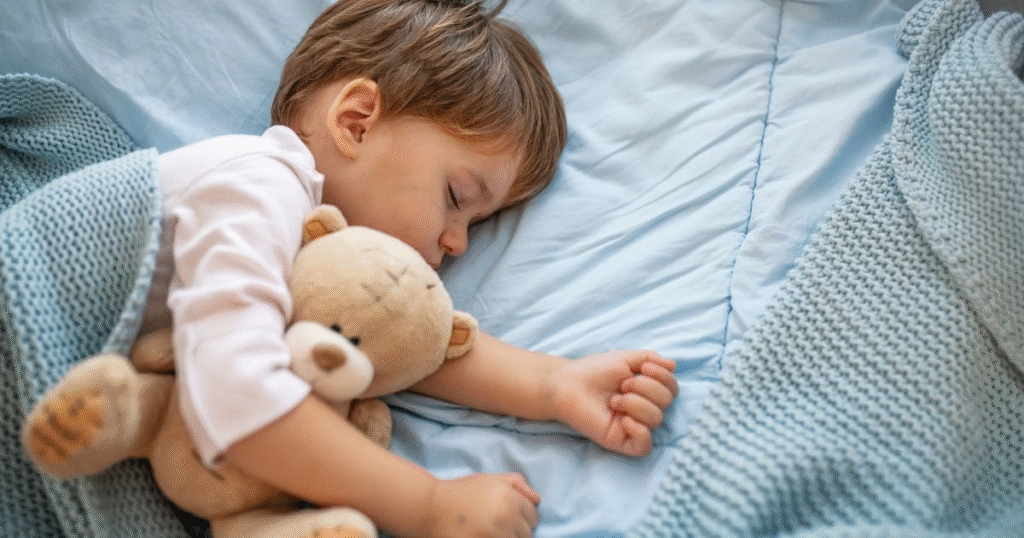
Sleep is not just rest for children. It is active growth time. During sleep, a child’s brain processes learning, the body repairs itself, and hormones that support physical and emotional development are released. Yet sleep is one of the most common struggles parents face, from newborn nights to school-age resistance and teenage sleep debt.
Helping children develop healthy sleep patterns is not about strict rules or forcing early bedtimes. It is about understanding what your child needs at different ages, creating consistent routines, and knowing when sleep issues are a phase versus a signal that something deeper needs attention.
Why Healthy Sleep Matters More Than You Think
Children who sleep well are more focused, emotionally stable, and physically healthier. Poor sleep, even if it seems mild, can affect attention span, immunity, growth, behavior, and school performance. Over time, chronic sleep deprivation can also contribute to anxiety, mood issues, and weakened resistance to infections.
Sleep problems often show up indirectly. A child may seem hyperactive, irritable, overly emotional, or constantly tired, even if they are spending enough time in bed. Quality of sleep matters just as much as quantity.
How Much Sleep Do Children Really Need?
Sleep needs change as children grow. Newborns may sleep up to 16–18 hours spread across the day and night. Toddlers usually need 11–14 hours, including naps. Preschool and school-age children typically need 9–12 hours of uninterrupted nighttime sleep, while teenagers still need around 8–10 hours, even though their internal clocks shift later.
Many parents underestimate how much sleep their child actually requires. A child who wakes up groggy, struggles to get ready for school, or crashes emotionally in the evening is often not getting enough restorative sleep.
Common Sleep Challenges by Age
Sleep issues look different at different stages. Infants may struggle with day-night confusion. Toddlers often resist bedtime or wake during the night due to separation anxiety. Preschoolers may develop bedtime fears or nightmares. School-age children can be affected by homework pressure, screen exposure, or irregular schedules. Teenagers often face delayed sleep cycles combined with early school start times.
Understanding that these challenges are developmentally normal helps parents respond calmly instead of reactively.
Building a Consistent Bedtime Routine
A predictable bedtime routine is one of the most powerful tools for healthy sleep. It signals the brain that sleep is coming. The routine does not need to be long or complicated, but it should be consistent.
A good routine might include a warm bath, changing into pajamas, brushing teeth, reading a book, and quiet conversation. Avoid stimulating activities close to bedtime. Loud play, bright lights, and emotionally charged discussions can delay sleep.
Consistency matters more than perfection. Doing the same steps in the same order each night builds a sense of security and makes falling asleep easier over time.
The Role of Screens and Sleep
Screens are one of the biggest disruptors of children’s sleep today. The blue light from phones, tablets, and televisions suppresses melatonin, the hormone that signals sleep. Beyond light exposure, digital content keeps the brain alert and emotionally engaged.
Ideally, screens should be turned off at least one hour before bedtime. Bedrooms should be screen-free zones, especially for school-age children and teenagers. If that feels unrealistic, start small by removing devices during sleep hours and charging them outside the bedroom.
Children model adult behavior. When parents prioritize unplugging in the evening, children are more likely to follow.
Creating a Sleep-Friendly Environment
The sleep environment plays a bigger role than many parents realize. A child’s bedroom should be dark, quiet, and comfortably cool. Heavy curtains or blackout blinds can help, especially in early summer mornings. Soft night lights are fine if a child is anxious, but avoid bright overhead lighting.
The bed should be associated with sleep, not homework, gaming, or constant activity. When a child uses the bed only for rest, the brain learns to switch into sleep mode faster.
Comfort also matters. Ill-fitting mattresses, itchy bedding, or uncomfortable clothing can quietly interfere with sleep night after night.
Handling Night Wakings and Bedtime Resistance
Night wakings are common, especially in younger children. The goal is not to eliminate them completely, but to help children learn how to settle back to sleep independently. Respond calmly and consistently. Avoid turning night awakenings into long conversations or playtime.
For bedtime resistance, focus on connection earlier in the evening. Many children resist sleep because bedtime feels like separation. Spending a few minutes of focused attention before bed often reduces stalling behaviors.
Avoid negotiating bedtime endlessly. Clear expectations delivered with warmth work better than repeated warnings or frustration.
Nutrition, Activity, and Sleep
What children eat and how active they are during the day affects how they sleep at night. Balanced meals support stable energy levels and hormone regulation. Heavy meals, caffeine, or sugary snacks close to bedtime can interfere with sleep.
Daily physical activity helps children fall asleep faster and sleep more deeply. Outdoor play is especially helpful because natural light supports healthy circadian rhythms. However, intense physical activity should ideally end a few hours before bedtime.
When Sleep Problems May Signal a Medical Issue
Occasional sleep difficulties are normal. Persistent problems are not. Loud snoring, breathing pauses during sleep, frequent night terrors, extreme restlessness, or excessive daytime sleepiness should not be ignored. These can be signs of sleep-related disorders, allergies, iron deficiency, or other underlying health concerns.
In cities with access to advanced pediatric care, parents often turn to hospitals in new delhi india for evaluation when sleep issues start affecting growth, behavior, or academic performance. A proper assessment can make a significant difference.
If you are unsure whether a sleep problem is behavioral or medical, consulting a Best Pediatric Doctor in Delhi can help clarify the cause and guide the right next steps.
Supporting Emotional Security Around Sleep
Sleep is closely tied to emotional wellbeing. Children who feel safe, heard, and emotionally supported tend to sleep better. Major life changes such as starting school, moving homes, family stress, or illness can temporarily disrupt sleep.
Talk to your child about their day. Listen without rushing to fix. Address fears with reassurance, not dismissal. When children feel emotionally settled, sleep often improves naturally.
Helping Children Take Ownership of Healthy Sleep
As children grow, involve them in sleep decisions. Talk about why sleep matters in age-appropriate ways. Let them help choose bedtime books or calming activities. Teaching children to value sleep early sets patterns that last into adulthood.
Avoid framing sleep as a punishment or something that steals fun. Instead, present it as fuel for energy, mood, and strength.
Final Thoughts
Healthy sleep patterns are built over time, not overnight. There will be setbacks, regressions, and phases where nothing seems to work. That does not mean you are doing something wrong.
Focus on consistency, connection, and awareness. Pay attention to patterns, not single bad nights. When needed, seek professional guidance early rather than waiting for exhaustion to build.